
Best Puppy Training Classes for Breeder Dogs in Chicago
Bringing home a puppy from a breeder is exciting and can also be overwhelming. Even when a breeder does a great job, puppies still need help learning how to live in a busy city like Chicago. Noisy streets, elevators, other dogs, people everywhere… it’s a lot for a young puppy who’s been used to spending quiet time with their mom and littermates.
If you’re searching for the best puppy training classes for breeder dogs in Chicago, you’re probably wondering what actually matters. Is it obedience? Socialization? Confidence? The answer is: all of it! But in the right order.
This guide will help you understand what breeder puppies truly need, what to look for in a puppy class, and how to set your puppy up for long-term success.
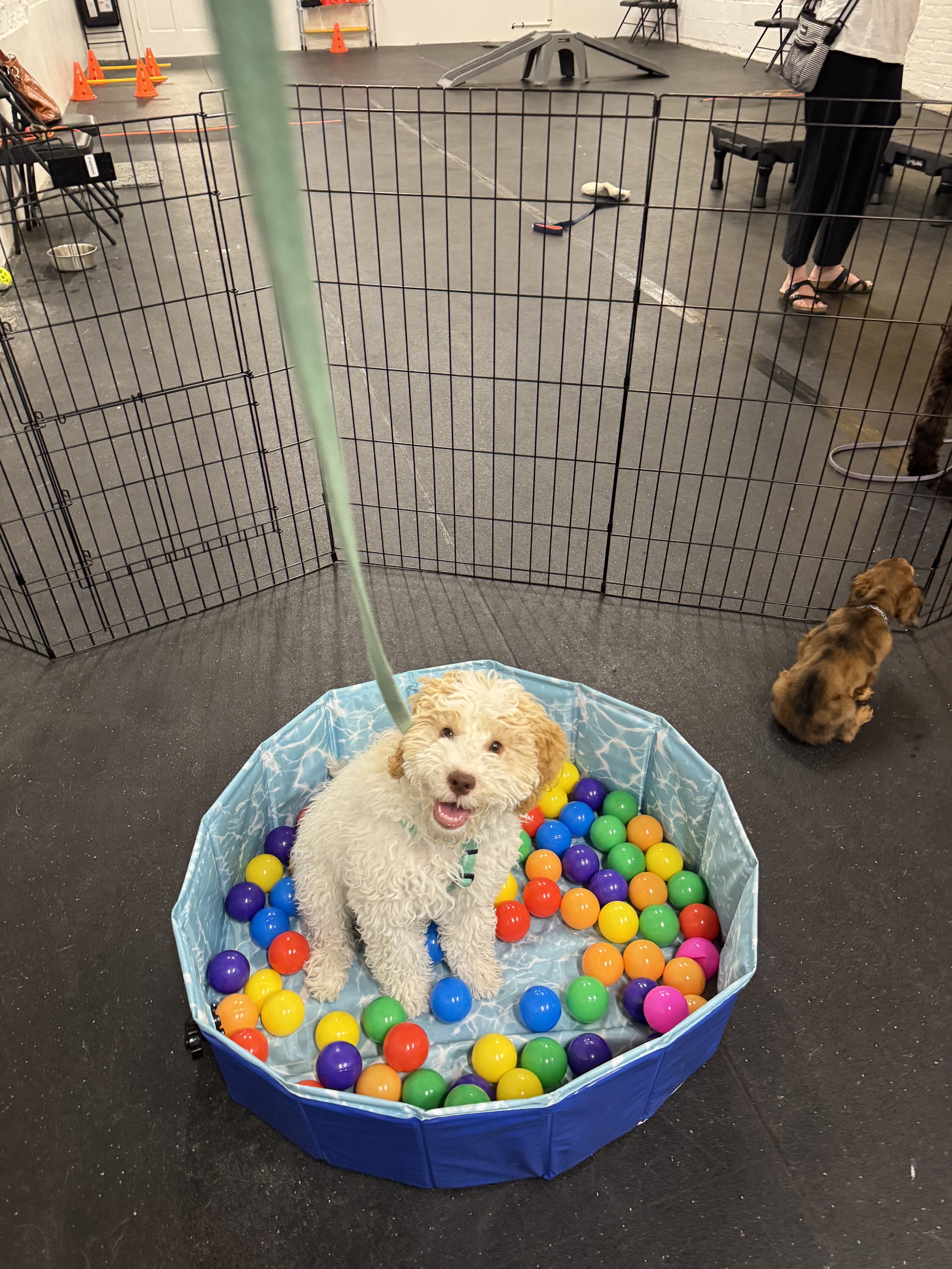
Why Breeder Puppies Still Need Training Classes
There’s a common belief that breeder puppies are “easier” than rescue puppies. While they may have a known background, they are still babies. Most breeder puppies:
Have limited real-world exposure
Haven’t practiced settling in busy environments/cities
Haven’t learned how to interact calmly with other dogs
Are just starting to learn bite inhibition, impulse control, and focus
Puppy classes help bridge the gap between a breeder’s home and real life in Chicago.
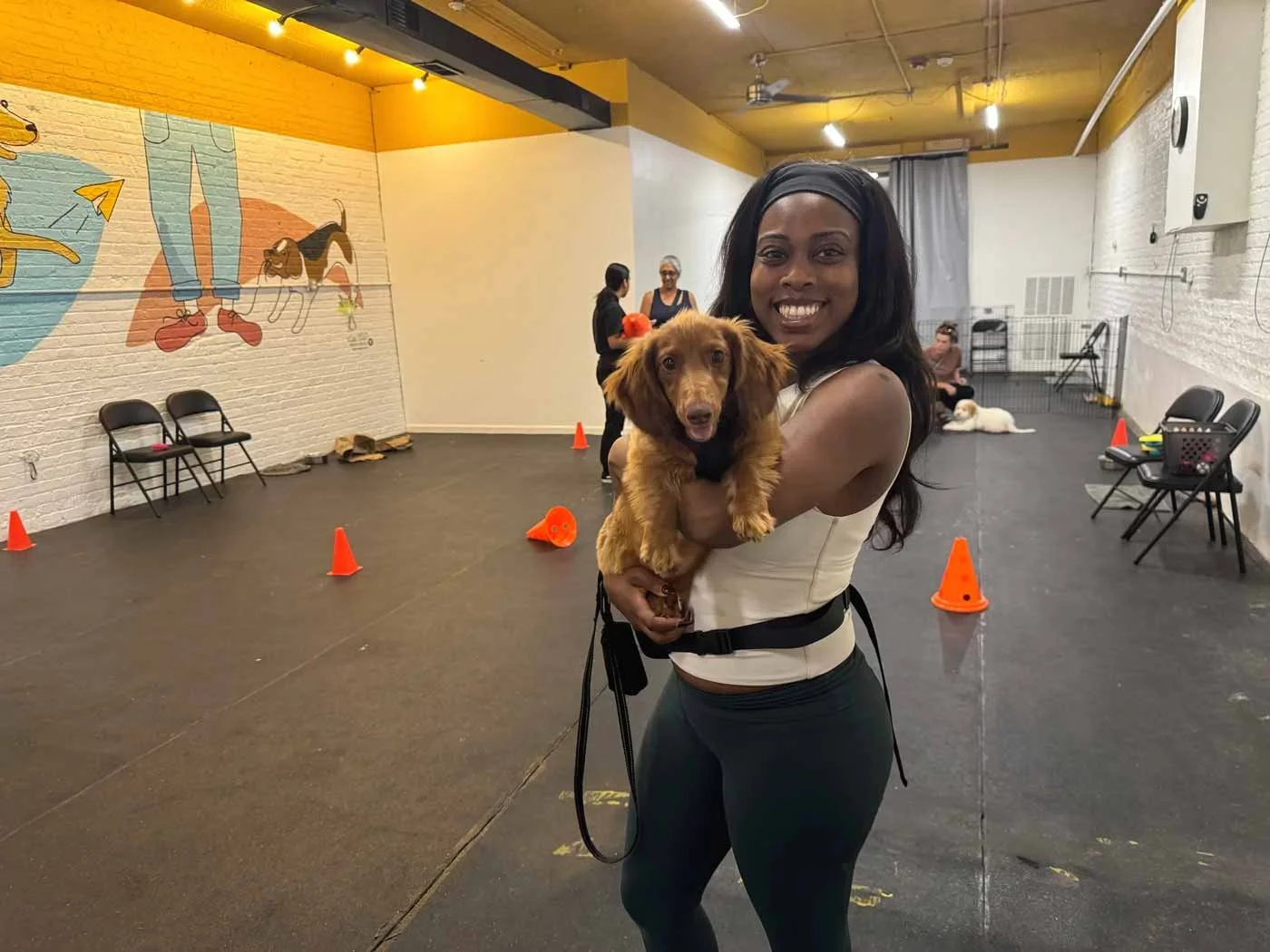
What Makes a Puppy Class Good for Breeder Dogs?
Not all puppy classes are created equal. A good puppy class for breeder dogs should focus on confidence, skills, and emotional development, not just commands.Here’s what to look for:
1. Small Class Sizes
Puppies learn best when they aren’t overwhelmed. Smaller groups allow trainers to watch body language closely and step in early if a puppy feels unsure.
2. Controlled Socialization
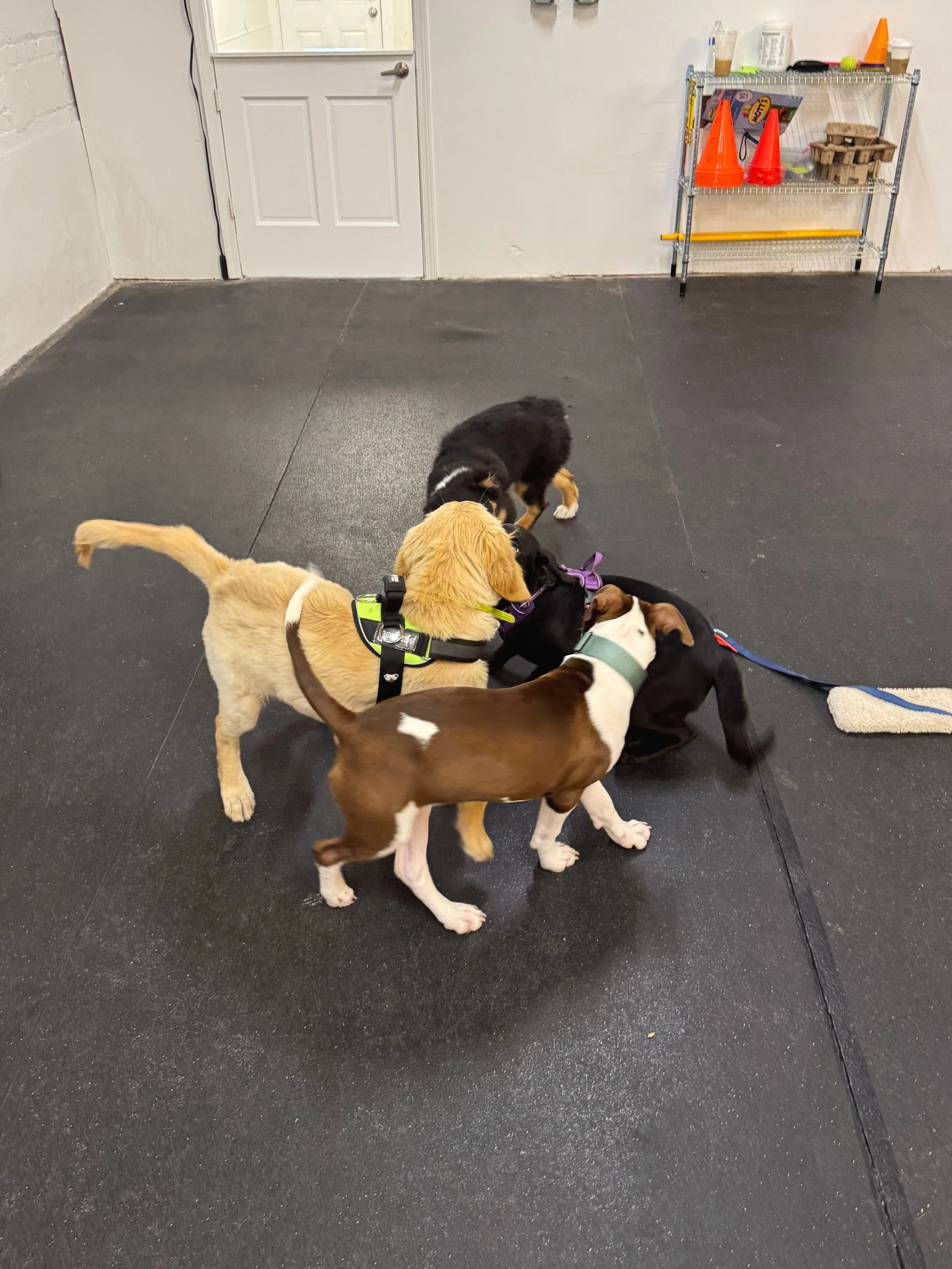
Socialization does not mean letting puppies run wild. It means teaching them how to be calm, curious, and safe around other dogs, people, sounds, and environments.
3. City-Relevant Skills
In Chicago, puppies need practice with:
Leashes and sidewalks
Waiting calmly
Handling distractions
Recovery after excitement
Classes should prepare puppies for real life — not just a quiet training room.
4. Positive, Fear-Free Training
Good puppy programs use rewards, patience, and structure. Puppies should feel safe making mistakes and learning at their own pace.
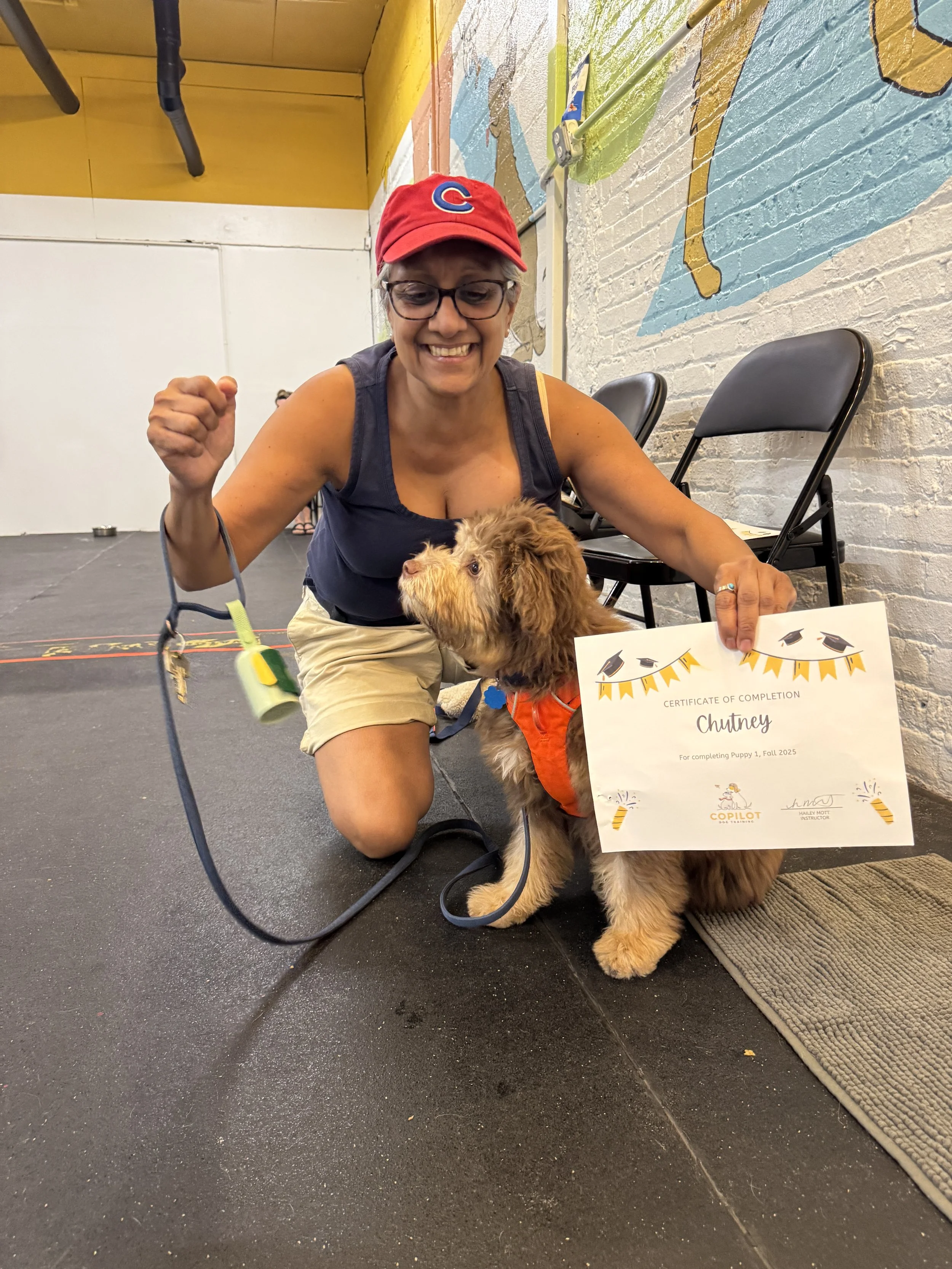
When Should Breeder Puppies Start Training?
Most breeder puppies can start puppy classes between 10–16 weeks, depending on vaccine status (at least 1 round) and comfort level.
Early training helps prevent issues like:
Jumping on people
Leash pulling
Over-excitement with dogs
Difficulty settling at home
If you just brought your puppy home, starting early makes everything easier later.
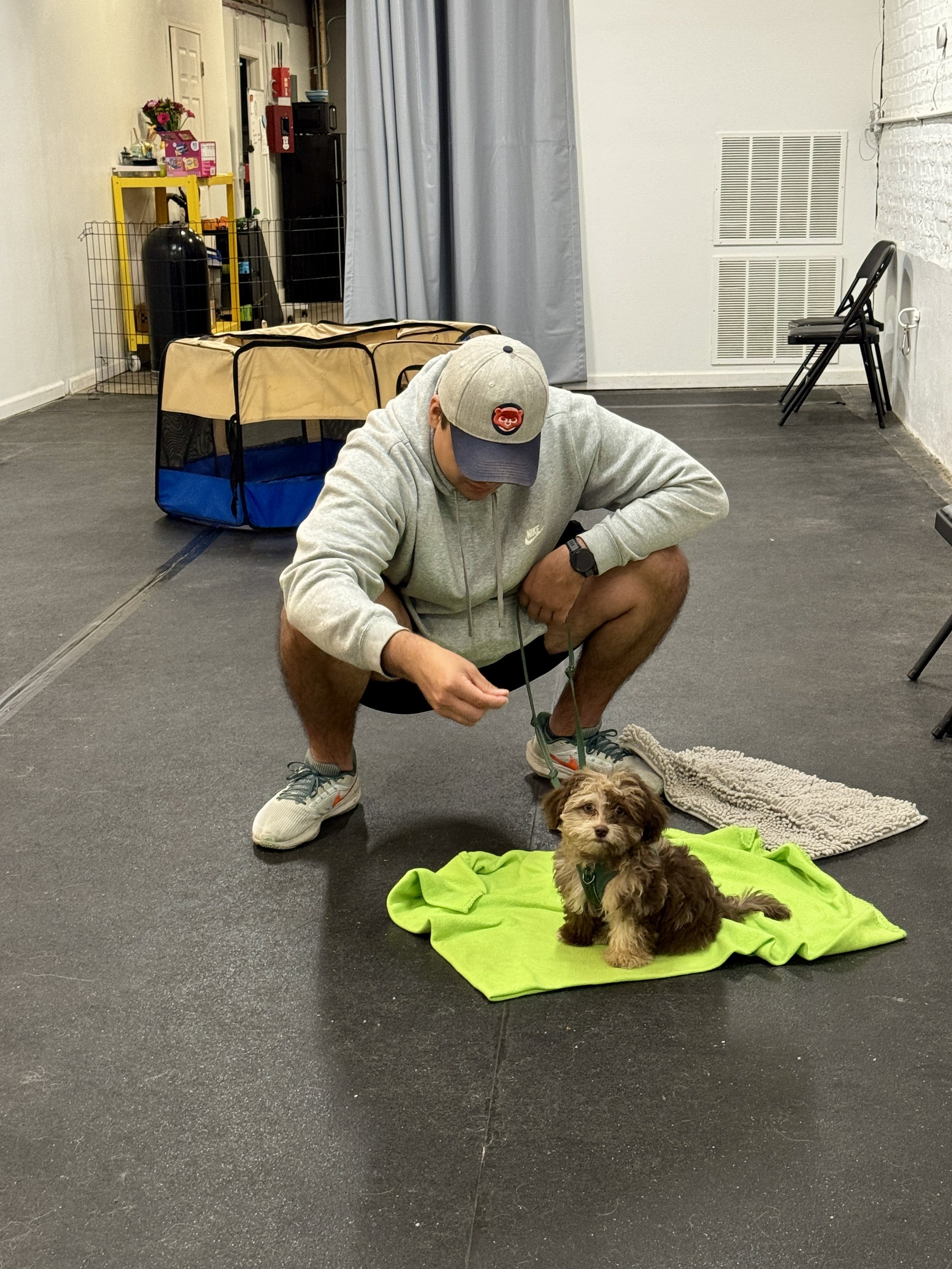
What Should Puppy Classes Actually Teach?
The best puppy training classes focus on more than “sit.”
Look for classes that include:
Name recognition and engagement
Calm leash walking foundations
Handling and body comfort
Confidence games
Short stays and settling
Real-world exposure
At Copilot Dog Training, puppy programs are designed to support puppies from breeders and rescues alike, with a focus on emotional growth and practical skills. You can explore current options on the Puppy Training page.
Group Classes vs. Private Training
Some breeder puppies do great in group settings. Others need a slower start, and that’s okay!
Group classes are great if your puppy:
Recovers quickly from excitement
Is curious and confident
Can focus briefly around other dogs
Private training may be better if your puppy:
Gets overwhelmed easily
Struggles with handling
Lives in a very busy building or neighborhood
Many families combine both. If you’re unsure, starting with a consult or private session can help guide the right path. Learn more about private dog training in Chicago.
Common Mistakes to Avoid with Breeder Puppies
Even well-meaning owners can accidentally make things harder.
Try to avoid:
Too much freedom too soon
Over-socializing without structure
Meeting too many dogs and people too soon
Expecting focus before skills are built
Waiting until problems show up
Training isn’t about perfection, it’s about creating good habits early.
Choosing Puppy Training in Chicago That Fits Your Life
Chicago living is unique. Elevators, shared hallways, busy parks, and tight sidewalks all affect how puppies learn.
The best puppy classes meet you where you are and help your puppy grow into a confident, adaptable dog. If you want to learn more about Copilot’s training philosophy and approach, visit the About Copilot Dog Training page.