
Dog Training When You Work Full Time: What Actually Helps Dogs Learn
Most people don’t skip dog training because they don’t care. They skip it because time is limited.
Workdays run long. Schedules shift. Even with the best intentions, training plans often fall apart somewhere between meetings, errands, and trying to recover at the end of the day. Weekly lessons can feel productive in the moment, but progress often stalls once consistency at home becomes hard to maintain.
This doesn’t mean training isn’t working. It usually means the plan depends too heavily on what happens at home.
Why Time Can Be a Training Barrier
Dogs don’t learn skills from explanation. They learn through repetition.
That repetition is difficult to maintain when all training is expected to happen after work. After a full day, it’s common for owners to manage behavior rather than actively teach. That’s not a lack of effort — it’s a predictable outcome of limited time and energy.
Most dogs who “know the cues but don’t listen” aren’t being defiant. They simply haven’t had enough consistent practice in environments that support focus, regulation, and rest. Training that happens once a week leaves large gaps where old habits can take over.
This gap is exactly why some dogs need training support built into the workday, not added on after it.
Why Daycare Isn’t Always the Answer to an Energetic Dog
Daycare can be a good fit for certain dogs, but play-focused environments don’t automatically support learning.
Dogs may come home tired, but tired isn’t the same as regulated. Exhaustion doesn’t build skills, and constant stimulation doesn’t teach dogs how to settle or recover. For dogs who struggle with focus or impulse control, full-day play can sometimes make those challenges harder, not easier.
Many owners are looking for something in between — structured support during the day without removing themselves from the training process entirely.
A More Practical Option: Drop-Off Training
Drop-Off Training is designed for dogs who need structure during the day, not constant activity.
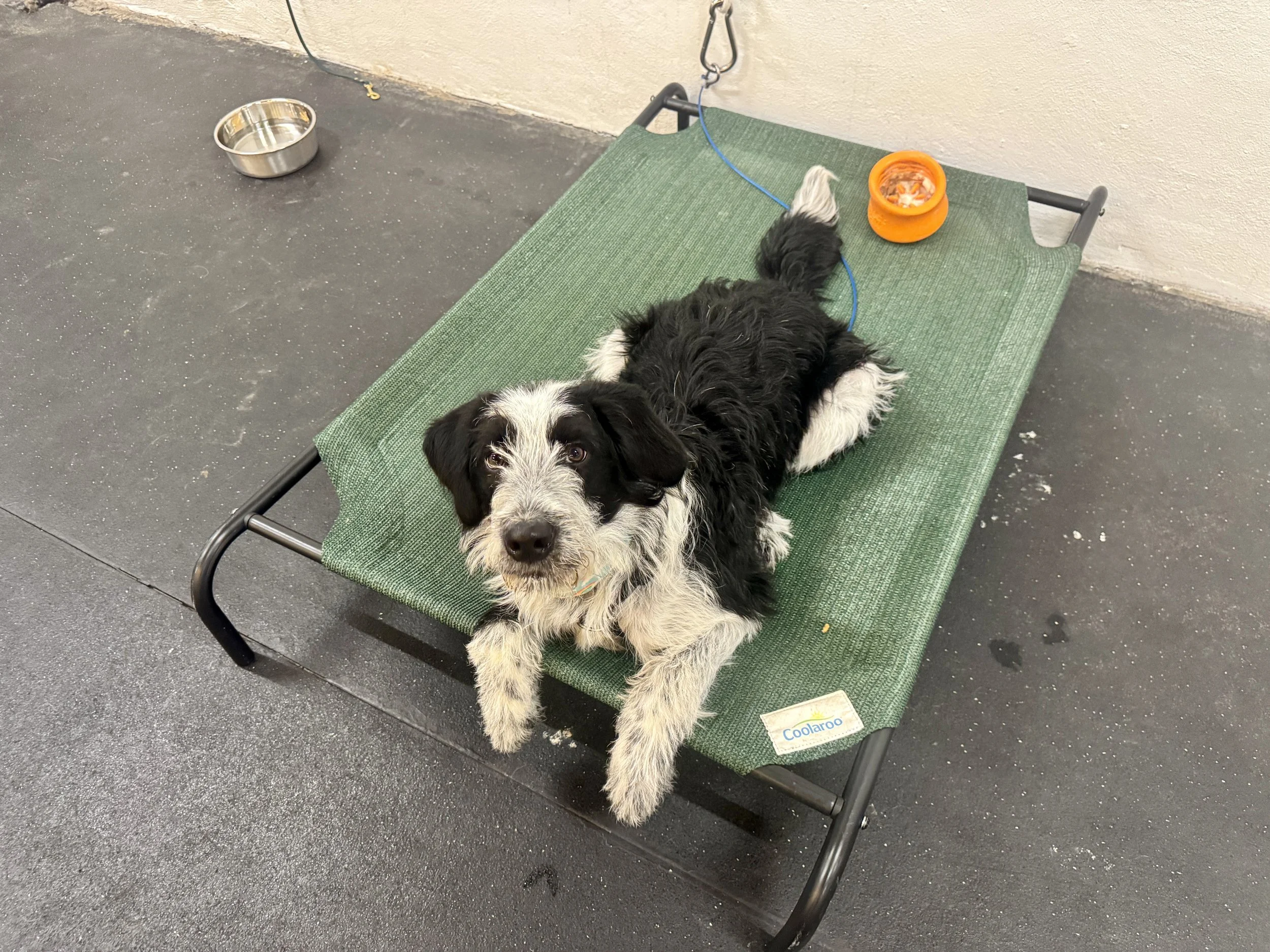
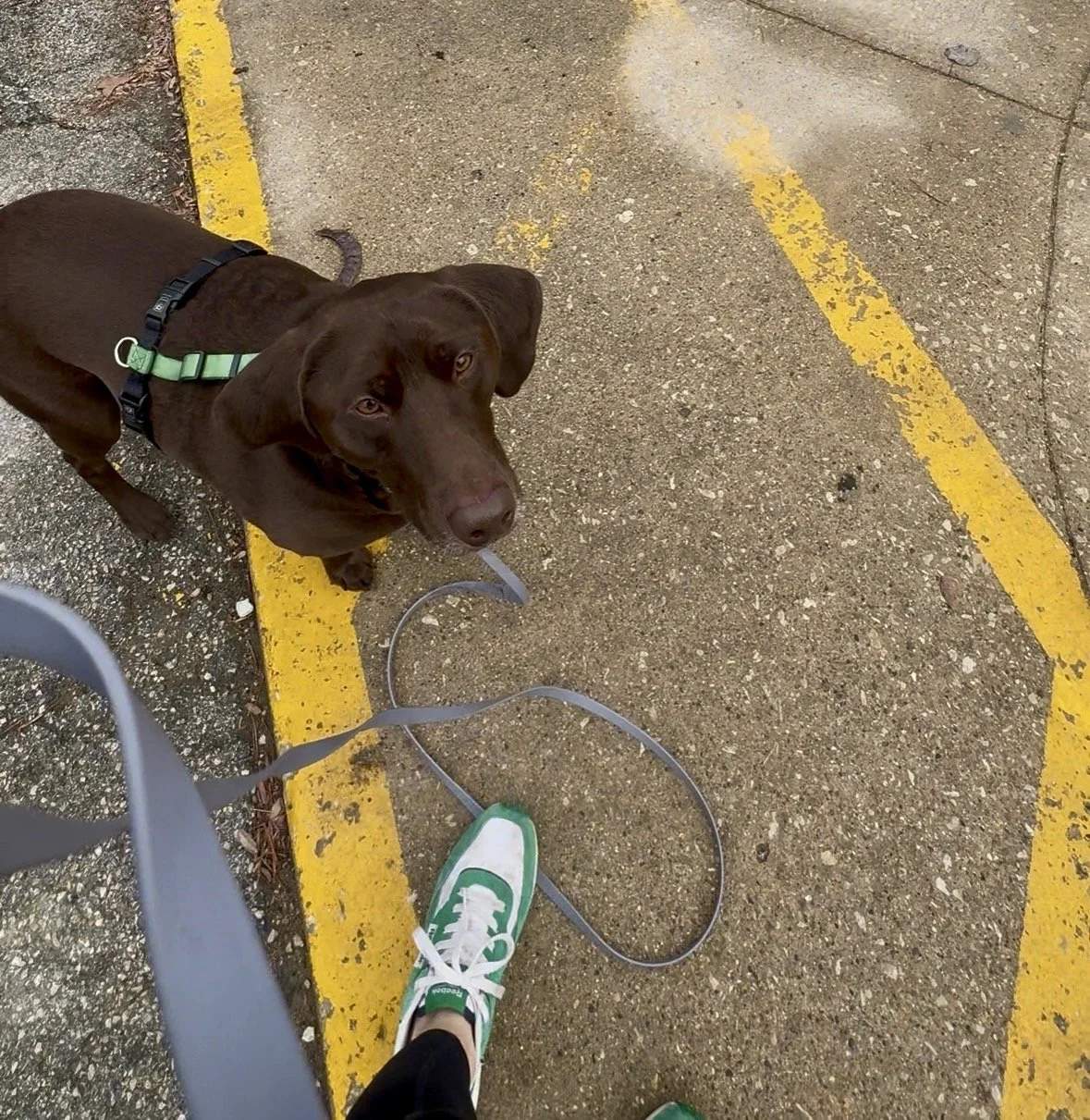
Instead of a full day of play or isolated training sessions, dogs rotate through short training reps, enrichment, rest, and practical skill-building. This might look like practicing settling on a place bed, working through distractions on a walk, then resting before the next session.
The goal isn’t to keep dogs busy. It’s to help them learn how to focus, disengage, and respond consistently.
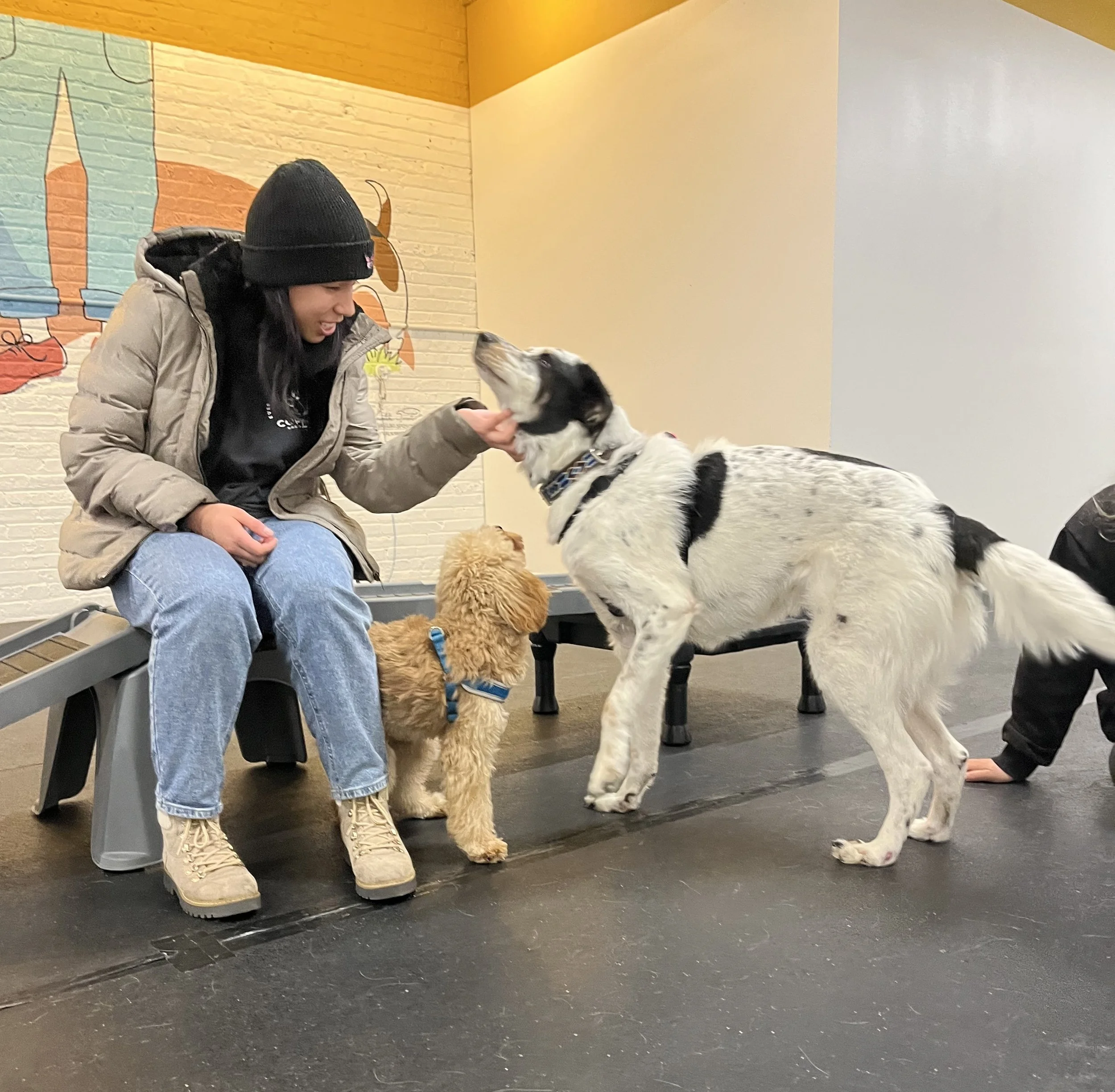
Some dogs work around other dogs. Others work one-on-one with trainers. Some need more downtime than interaction. The schedule adapts to the dog rather than forcing every dog into the same routine.
Training happens in small, intentional doses that mirror how dogs actually learn.
Why This Format Works for Busy Owners
When training is spread across the day, skills become habits instead of homework.
Dogs practice responding even when they’re not amped up. They learn how to disengage, settle, and reset. These are the skills that carry over into daily life.
For owners who work full time, this means progress continues even when they can’t be hands-on every day. Training doesn’t stall between lessons. It builds momentum.
Many families pair Drop-Off Training with private dog training so they can practice handling skills without shouldering the entire training load alone. Others use it alongside group classes once their dog has a stronger foundation.

Which Dogs Benefit Most From Drop-Off Training?
Drop-Off Training tends to work especially well for dogs who struggle to focus in traditional classes, dogs who become overstimulated in daycare environments, and owners who want steady progress without burning out.
It’s also a strong fit for puppies and adolescent dogs who benefit from routine during the workweek, particularly when basic skills exist but don’t consistently hold up outside of training sessions. For these dogs, Drop-Off Training can complement puppy training programs by reinforcing calm behavior, confidence, and predictability during the day.
When Weekly Lessons Aren’t Enough
Good training doesn’t require perfect follow-through. It requires enough repetition to build reliable patterns.
For many owners, the challenge isn’t motivation. It’s that training is expected to happen at home, every evening, on top of everything else. When that doesn’t happen consistently, frustration builds on both ends of the leash.
Drop-Off Training exists to reduce that pressure. Dogs get structured practice during the day, and owners don’t have to choose between keeping up with training and getting through their week.
The result isn’t faster obedience. It’s more reliable behavior and a dog who knows how to settle, focus, and recover in a way that carries over beyond a single training session.
What a Drop-Off Training Day Looks Like
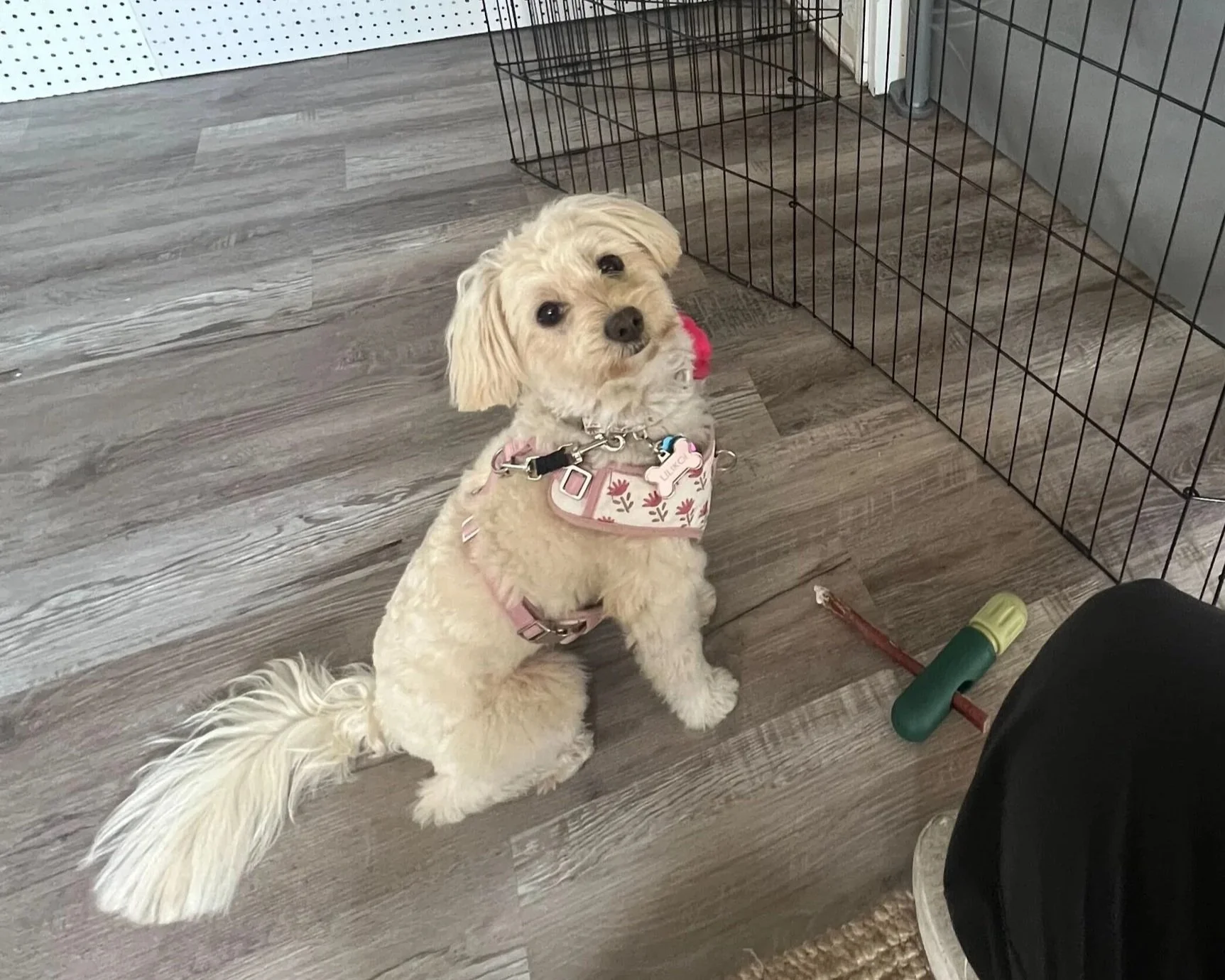
A Drop-Off Training day isn’t packed with nonstop activity. It’s intentionally paced.
Dogs move through short training sessions focused on specific skills, followed by downtime that allows them to settle and recover. Walks are used as training opportunities, not just exercise. Enrichment is chosen to support regulation rather than overstimulation.
Some dogs spend time working around other dogs at a distance. Others benefit from one-on-one sessions with trainers. Rest is built in on purpose, not treated as an afterthought.
This structure gives dogs repeated opportunities to practice focus, disengagement, and calm behavior throughout the day — the same skills that are hardest to maintain when training only happens at home in the evenings.
Considering Drop-Off Training?
If training has felt hard to maintain despite your best effort, that’s usually a sign the structure needs adjusting, not that you or your dog are failing!
Drop-Off Training is designed for owners who want their dog to keep learning during the workday, with structure that supports focus, rest, and repetition. It offers a way to make progress without adding more to your evenings or relying on a play-based environment that doesn’t address training goals.
If you’re curious whether this format would be a good fit for your dog, you can learn more about how the program works and what a typical day looks like below.