
Therapy Dog Training Chicago
Structured training for dogs preparing to work in hospitals, schools, and therapy programs.
Therapy dog training for real programs — not just a test
Therapy dog work goes beyond good manners. Dogs must stay calm, responsive, and emotionally regulated in busy, unpredictable, and often emotionally charged environments.
At Copilot Dog Training, therapy dog training is led by our owner, Margaret Fraser, CPDT-KA, who specializes in preparing dogs and handlers for structured animal-assisted therapy programs.
Margaret works in collaboration with Canine Therapy Corps and actively participates in goal-directed therapy programs, including physical rehabilitation work at Swedish Hospital. Training is informed by real clinical environments — not just evaluation criteria.

What is a therapy dog?
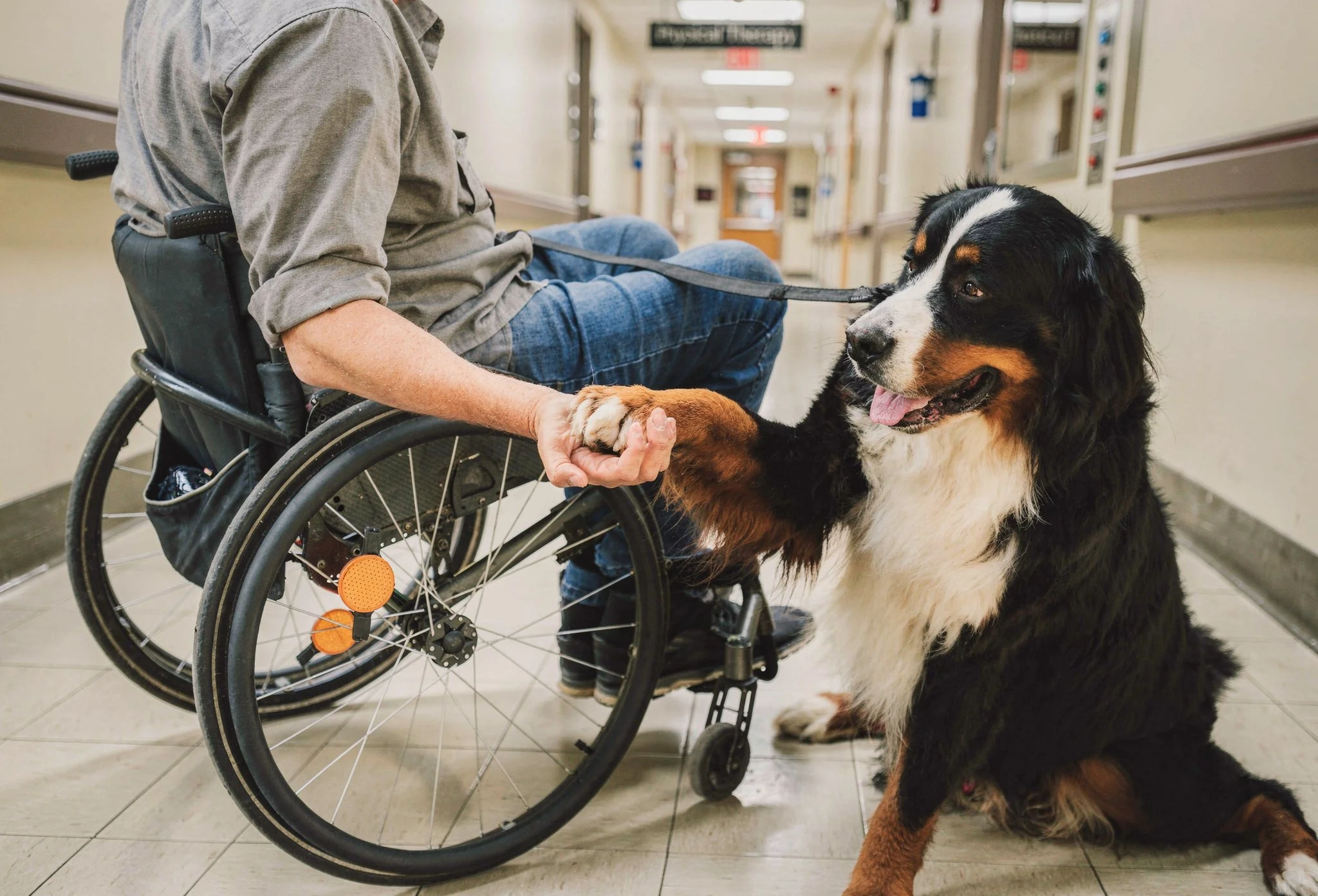
A therapy dog is a trained dog who works alongside their handler in approved programs to support physical, emotional, or cognitive goals for participants.
Hospitals & Rehabilitation Centers
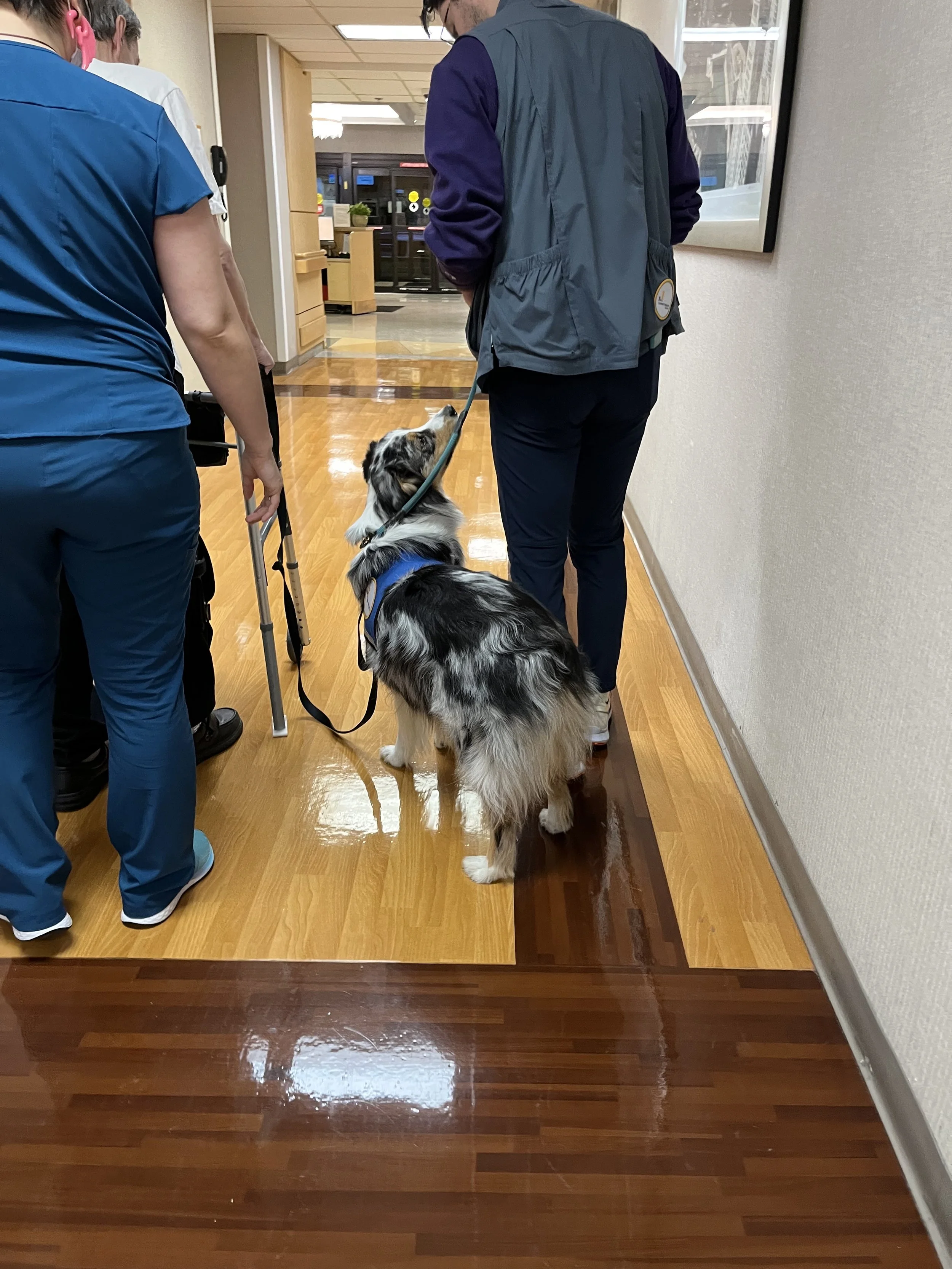
Supporting patients in medical environments by remaining calm, responsive, and comfortable around equipment, staff, and treatment routines.
Physical & Occupational Therapy
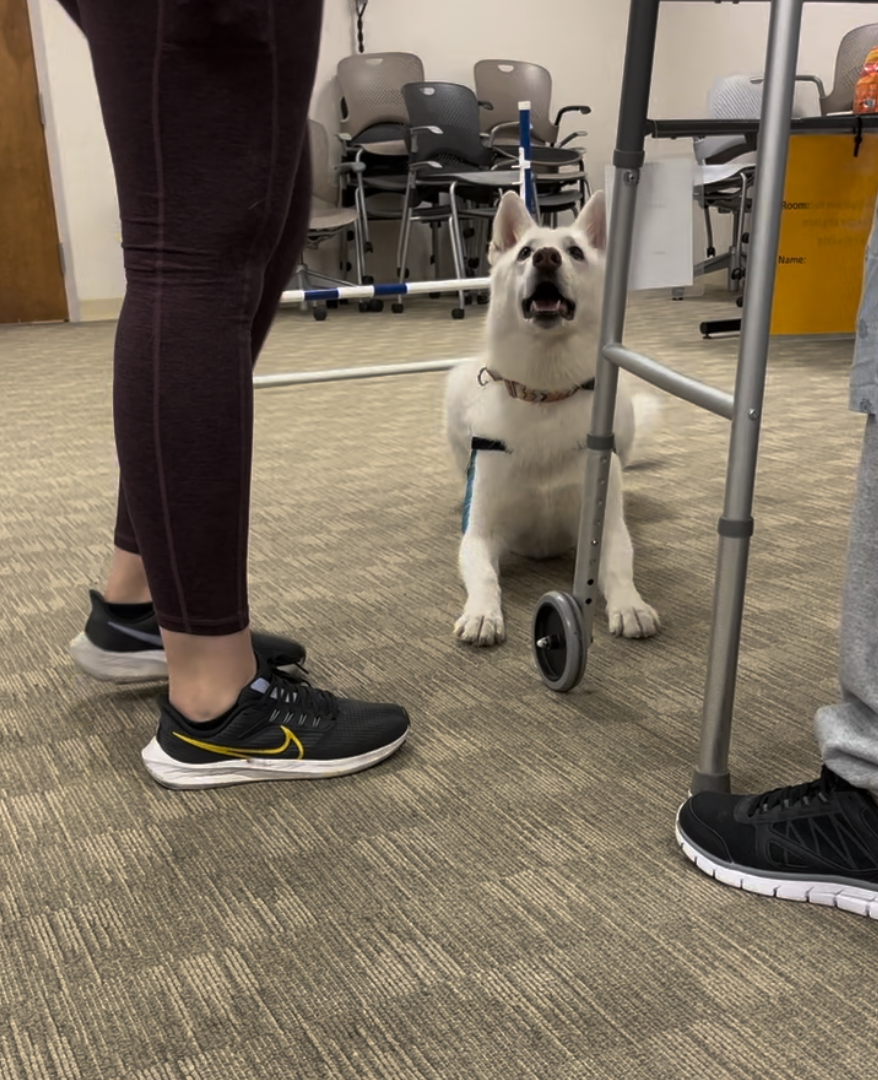
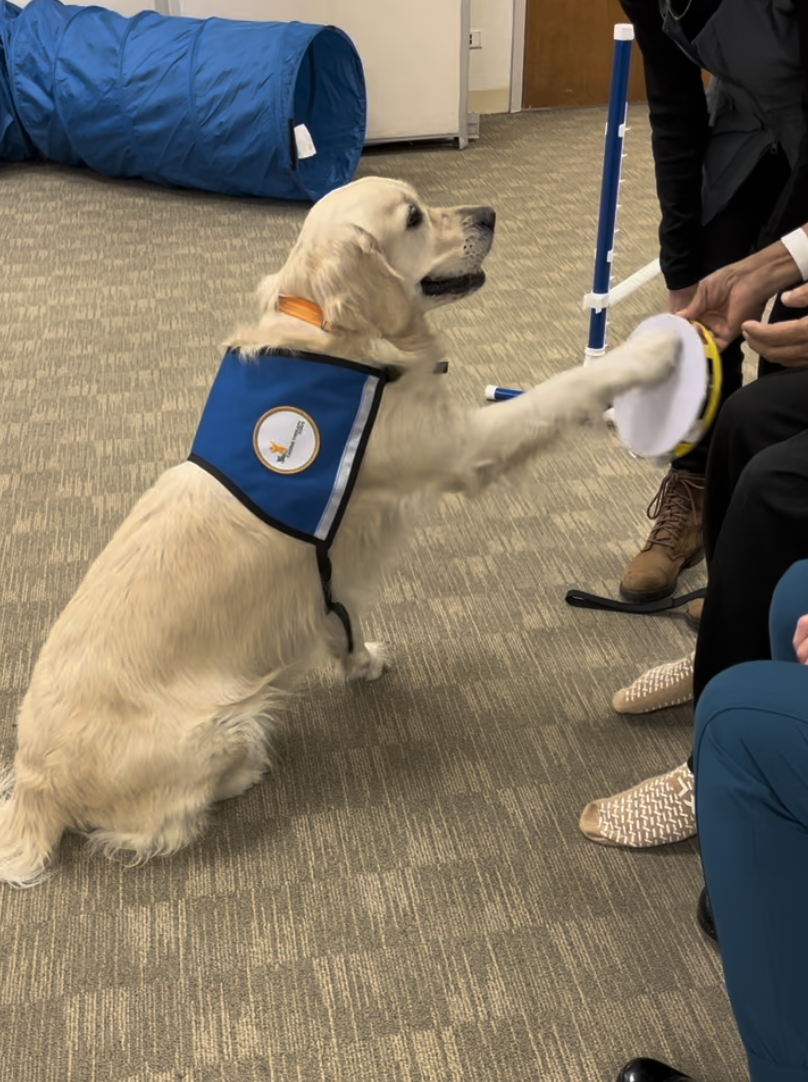
Participating in goal-directed sessions where cueing the dog supports movement, coordination, and functional recovery.

Schools & Literacy Programs
Helping students build confidence, focus, and engagement through structured, low-pressure interactions.
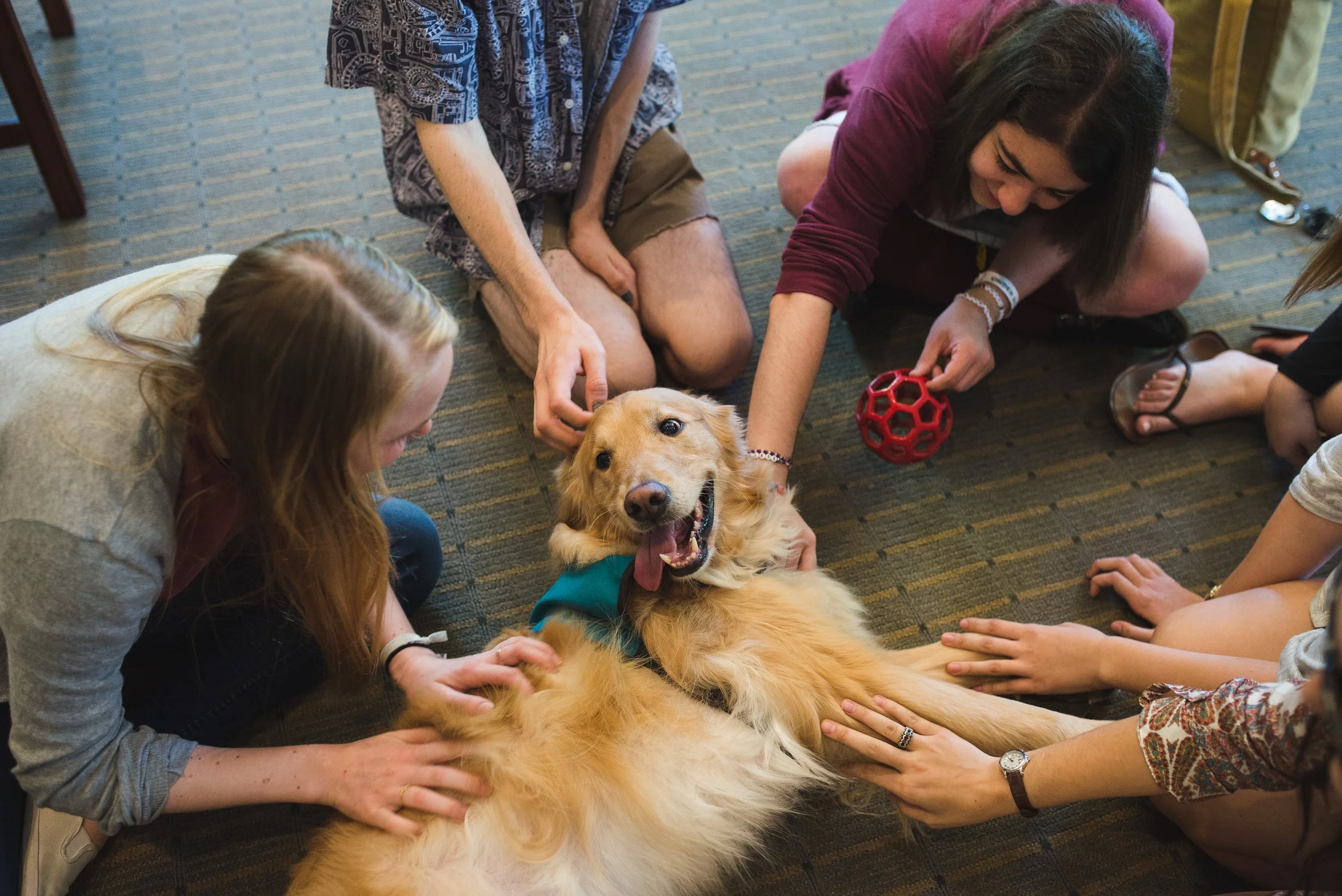
Community & Wellness Settings
Providing steady, regulated support in programs focused on emotional wellness, resilience, and connection.
What’s the difference between a therapy dog and a service dog?
Many people come to therapy dog training after hearing terms like Service Dog or Canine Good Citizen. While these paths can overlap, they serve very different purposes.
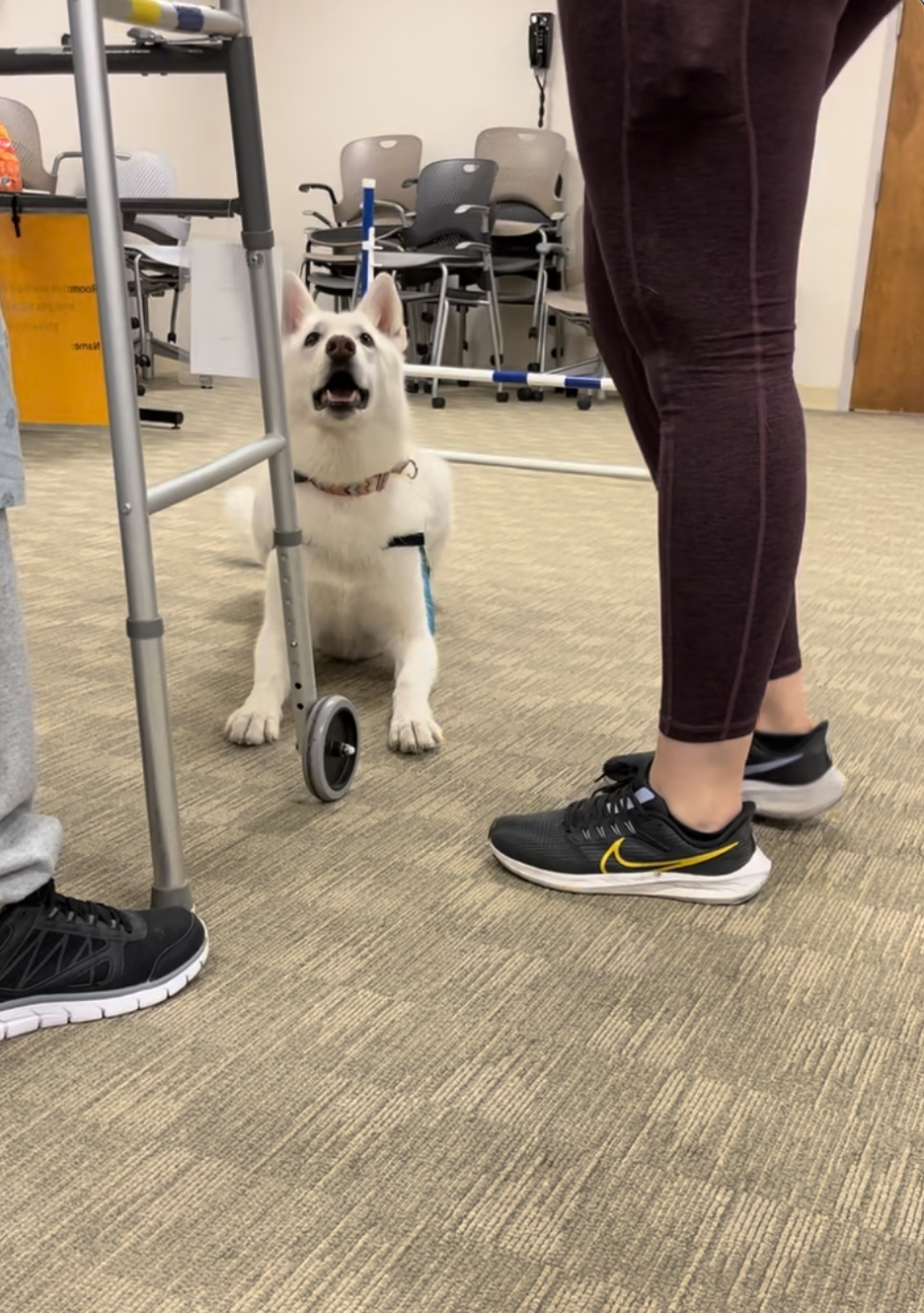
Goal-Directed Therapy Dog Work
Copilot specializes in preparing dogs for goal-directed therapy work, versus comfort and visitation work.
This including programs that support…
physical rehabilitation and motor recovery
stroke recovery and limb engagement
task-based participation and motivation
This type of work requires more than obedience. Dogs must remain neutral, responsive, and able to work calmly with unfamiliar handlers — then disengage and rest when needed.
our approach

What therapy dog training includes
Training is customized based on your dog, your goals, and the program you’re pursuing. Sessions focus on preparing both the dog and the handler for sustainable therapy work.
Structured transitions between work and rest
Comfort around medical equipment & mobility aids
Cue fluency with unfamiliar people
Emotional regulation in clinical environments
Relaxed responses to varied handling styles
Prep for therapy dog evaluations
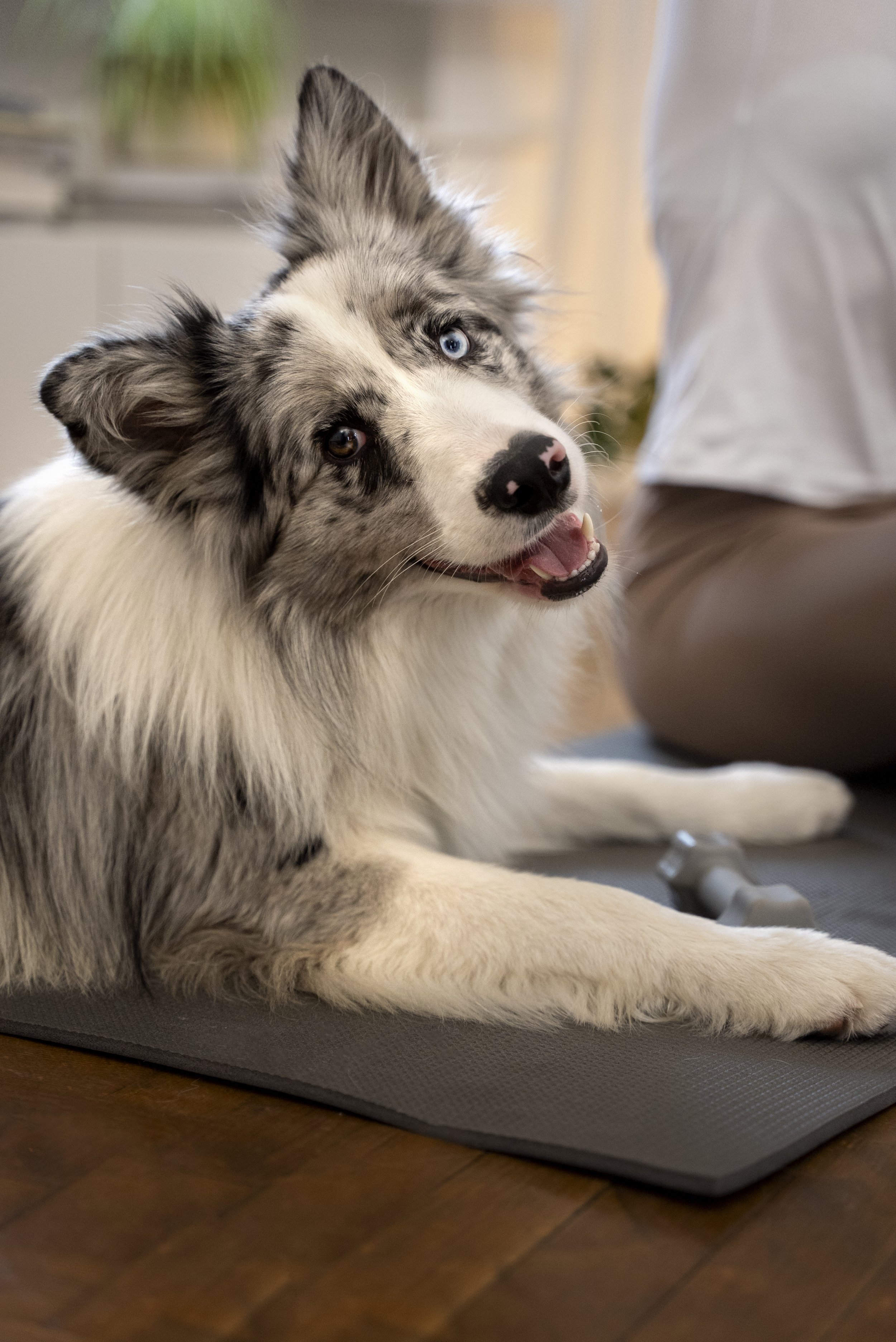
Is therapy dog work right for your dog?
Not every dog enjoys therapy work, and that’s something we assess early. Therapy dog training is best suited for dogs who:
✓ Are social without being over-excitable
✓ Recover quickly from novelty or startle
✓ Enjoy calm interaction with new people
✓ can settle quietly between interactions
If therapy work isn’t the right fit, we’ll let you know and help you explore alternatives that better match your dog’s temperament.

Get Started with Therapy Dog Training in Chicago
If you’re considering therapy dog work and want clear guidance on whether this path is right for your dog, start with a consultation.
FAQs
-
No—therapy dog certification does not grant public access rights.
Therapy dogs are only allowed in locations that have invited or approved them through a specific program or partnership.
They do not have the same legal access protections as service dogs.
-
Therapy dogs work in approved programs to support groups of people, such as patients or students. Service dogs are trained to perform disability-related tasks for one individual handler and have legal public access rights. Therapy dogs do not.
-
Yes! Therapy dogs typically certify through a specific organization or program. Certification involves an evaluation of temperament, behavior, and handler skills, and often includes ongoing participation requirements.
-
Yes! We prepare dogs and handlers for certification through established therapy dog organizations and programs, including those aligned with Canine Therapy Corps. Training focuses on real-world readiness, not just passing an evaluation.
-
Most therapy dog programs require dogs to be at least one year old, though age requirements vary. More important than age is emotional maturity, regulation, and comfort in complex environments.
-
Not always! Therapy work is about temperament, regulation, and enjoyment of the work, not size or breed. Some dogs love therapy settings; others find them stressful. We assess this honestly.
-
Therapy dogs may work in hospitals, rehabilitation centers, schools, physical or occupational therapy programs, and community settings. Dogs only work in locations that invite or partner with their certifying organization.
-
Timelines vary based on the dog, handler experience, and program requirements. Some teams are ready in a few months; others need more time to build reliable regulation and confidence.