
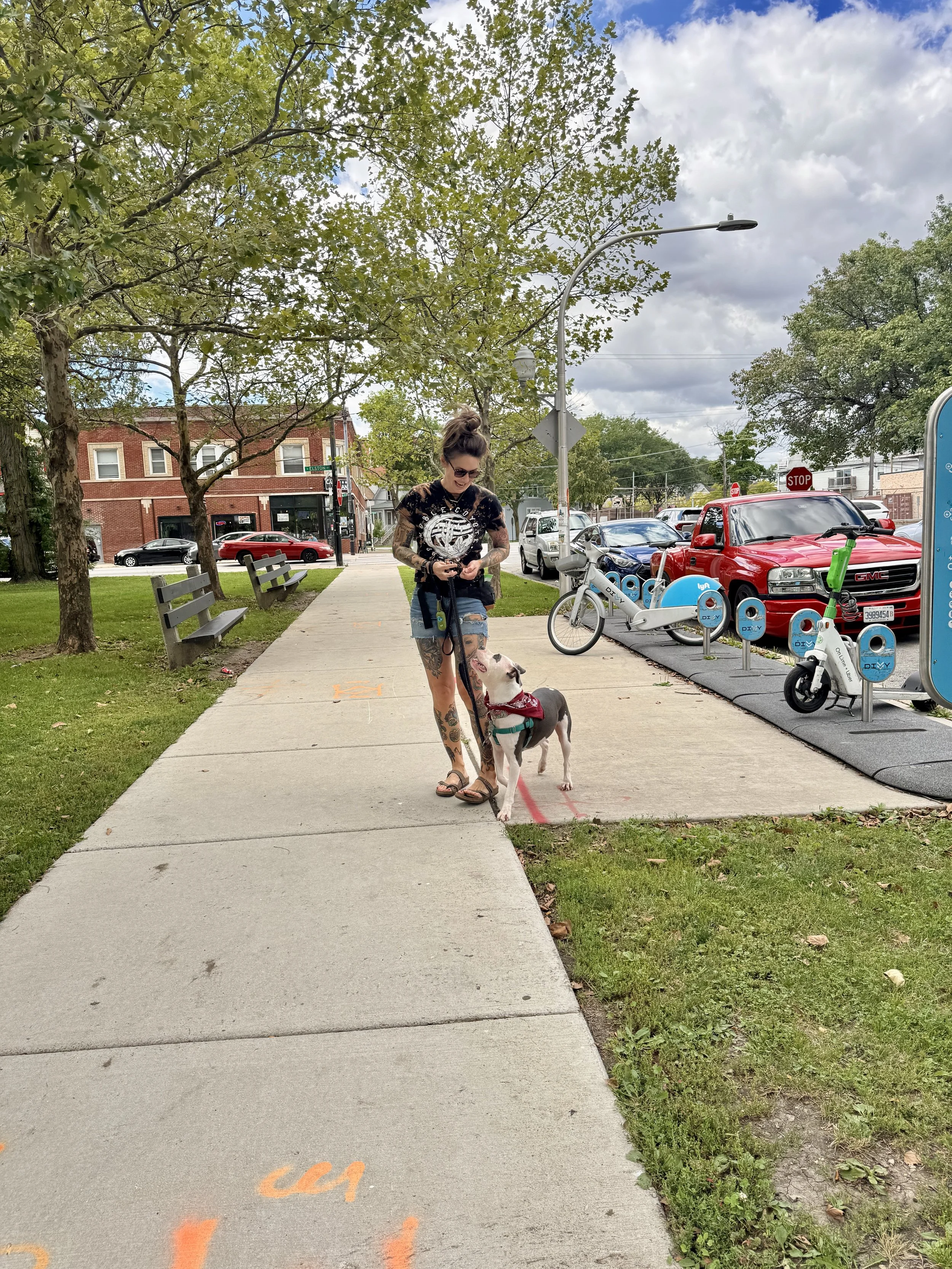
Rescue & Newly Adopted Dog Training in Chicago
Training for dogs who are adjusting and support for the humans who want to do right by them.
Bringing home a rescue dog is a meaningful moment — and it often comes with a mix of excitement, uncertainty, and a lot of questions.
Even when adoption feels joyful, the first few weeks can be confusing and emotional for both dogs and humans. New routines, new environments, and new expectations can feel like a lot all at once.
At Copilot Dog Training, rescue dogs aren’t a side category — they’re at the heart of what we do.
Our trainers have deep, hands-on rescue experience, including working with Chicago Animal Care and Control (CACC), partnering with local rescues, fostering, and ongoing volunteer work. We support dogs who are brand new to homes, dogs who have moved between environments, and dogs who are still learning what feels safe.
You don’t need a “perfect” rescue dog. You deserve support, clarity, and a plan that meets your dog — and you — exactly where you are.
Helping Rescue Dogs and Their People Find Their Footing
What Rescue Dog Training Looks Like
Rescue dog training isn’t about rushing into obedience or fixing everything at once. It’s about stability first to help your dog decompress, settle, and understand their new world.
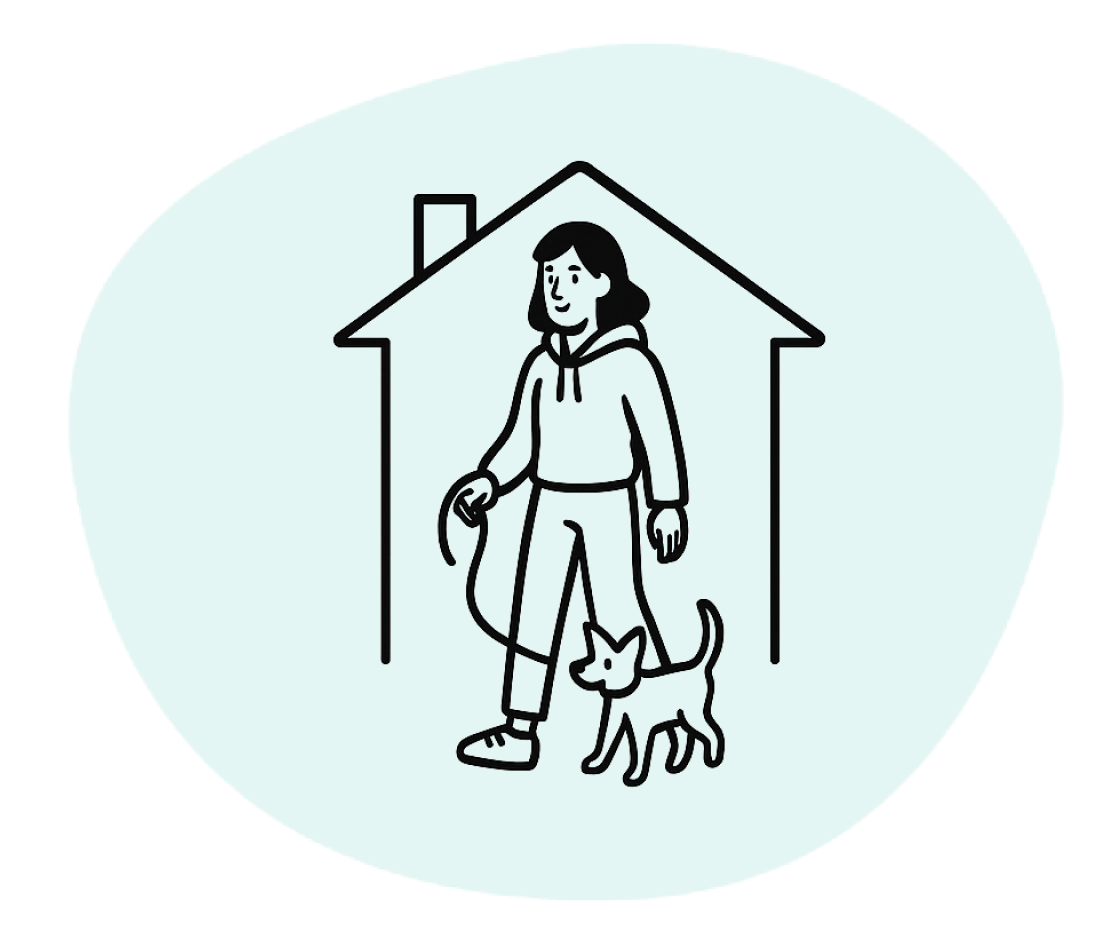
Creating Safety Through Routine
Helping your dog feel safe by building gentle, predictable routines that lower stress and make the world feel more understandable.

Bonding Through What Your Dog Loves
Getting to know your dog — what they enjoy, what helps them relax, and what builds trust — and using that connection to support learning.

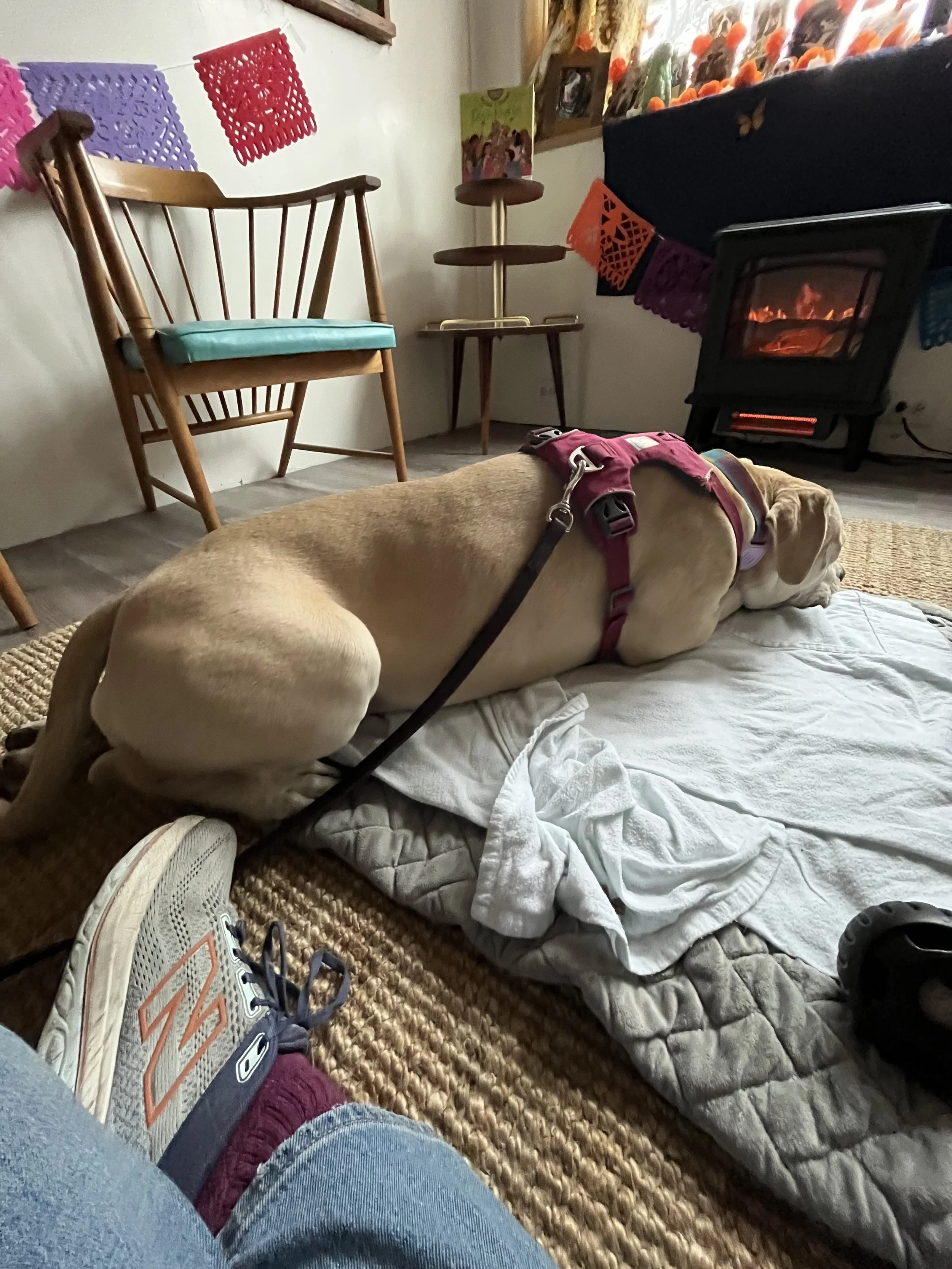
Learning How to Settle and Rest
Teaching dogs how to slow down, relax, and feel comfortable doing nothing, so calm becomes something they can choose.
What We Commonly Help With
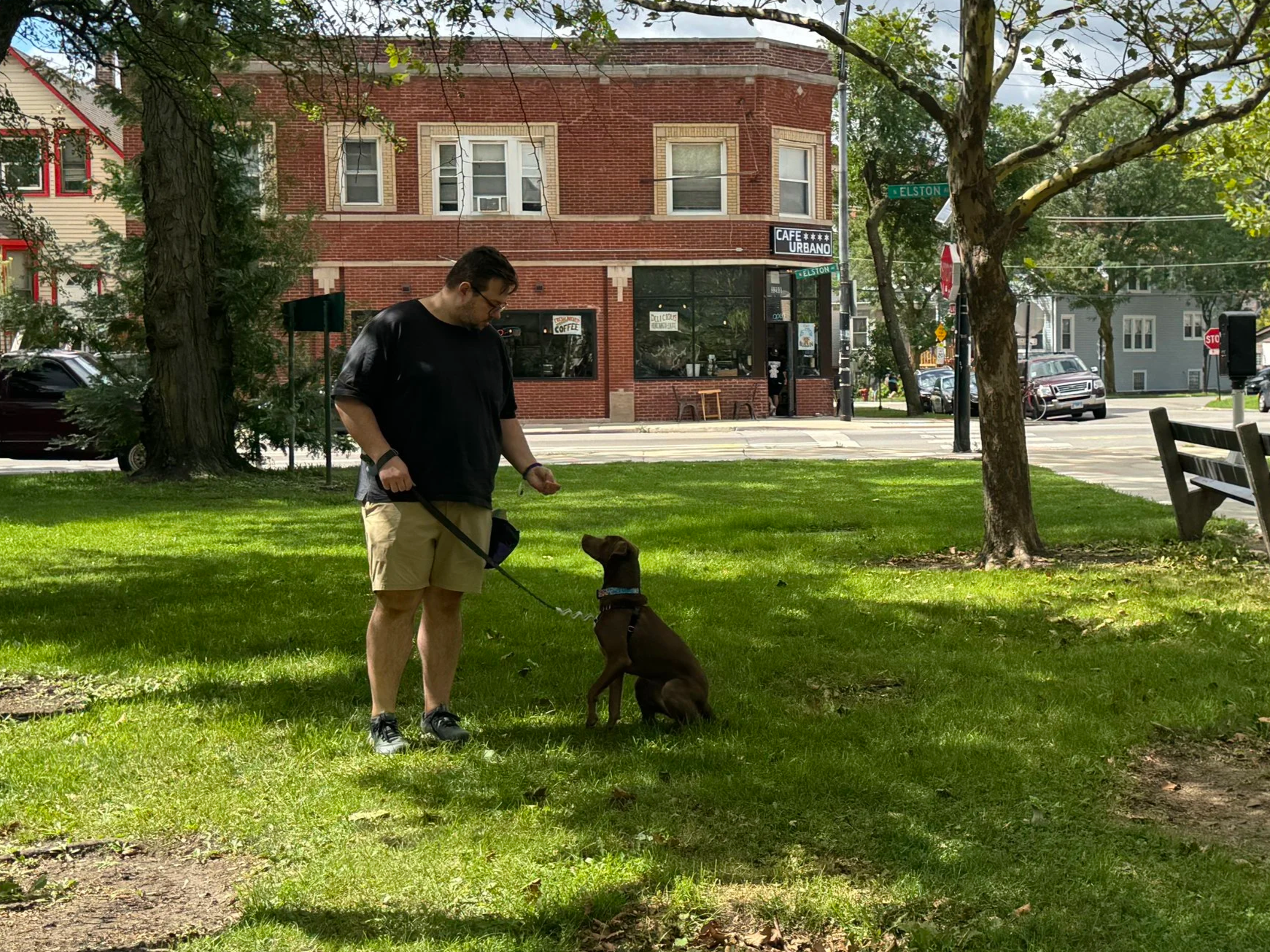
Reactivity, Fear
& Overwhelm
Working with barking, lunging, freezing, or big reactions by changing how dogs feel about the world — not just asking them to behave differently.
Obedience, House Manners & Routines
Supporting everyday skills like jumping, barking, counter surfing, and household routines in a way that feels manageable.
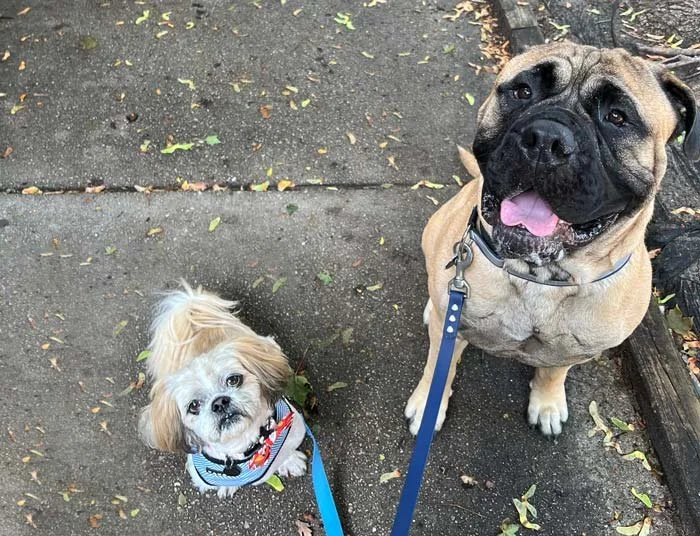
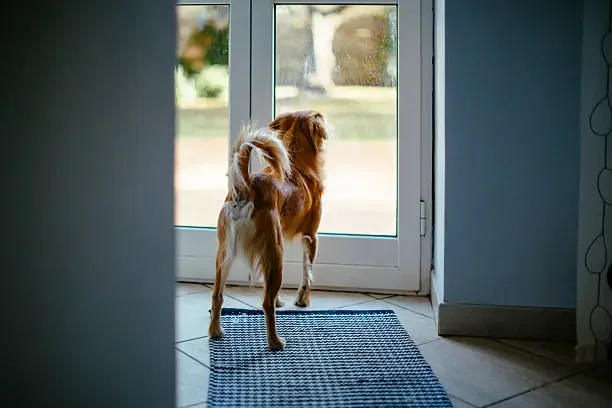
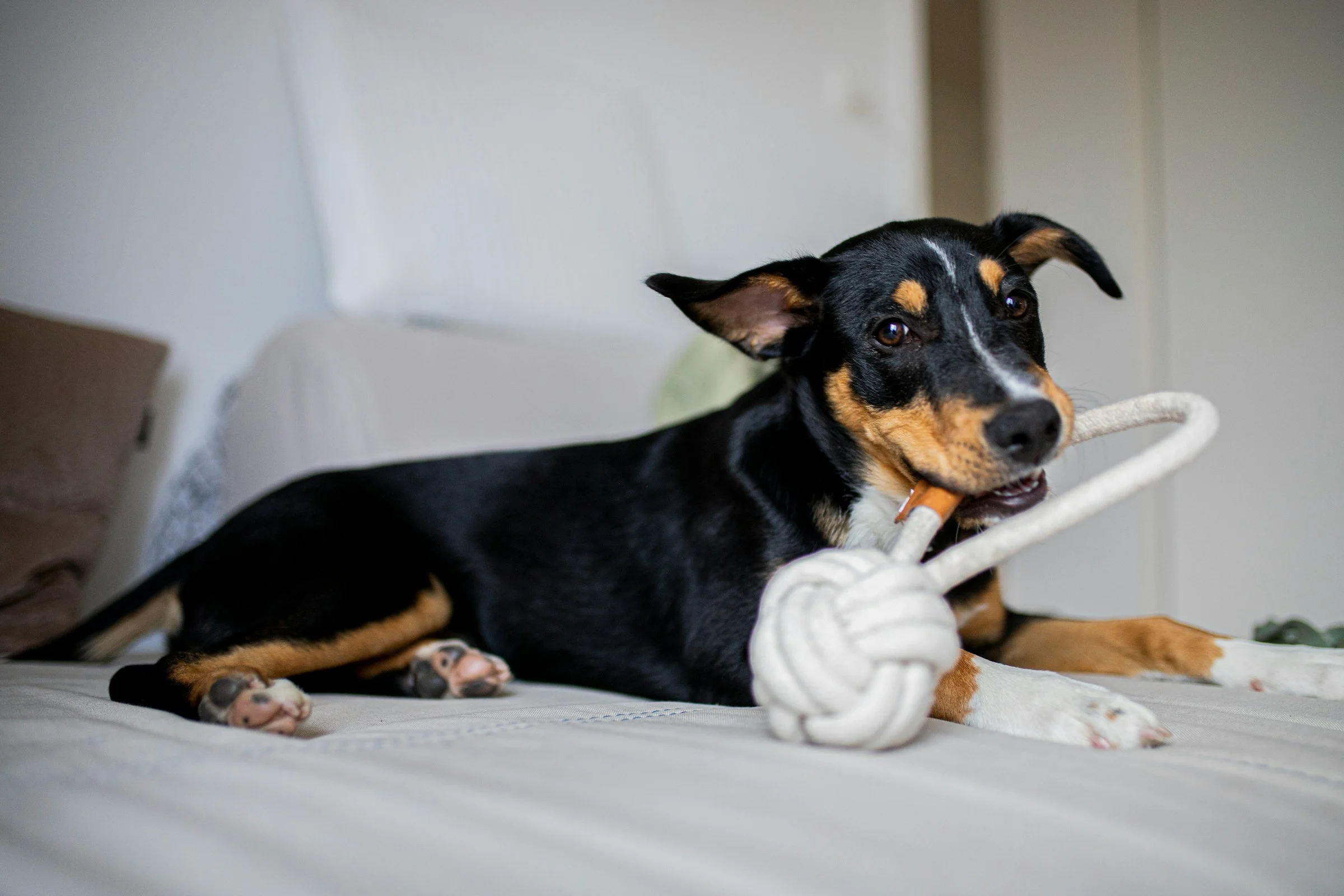
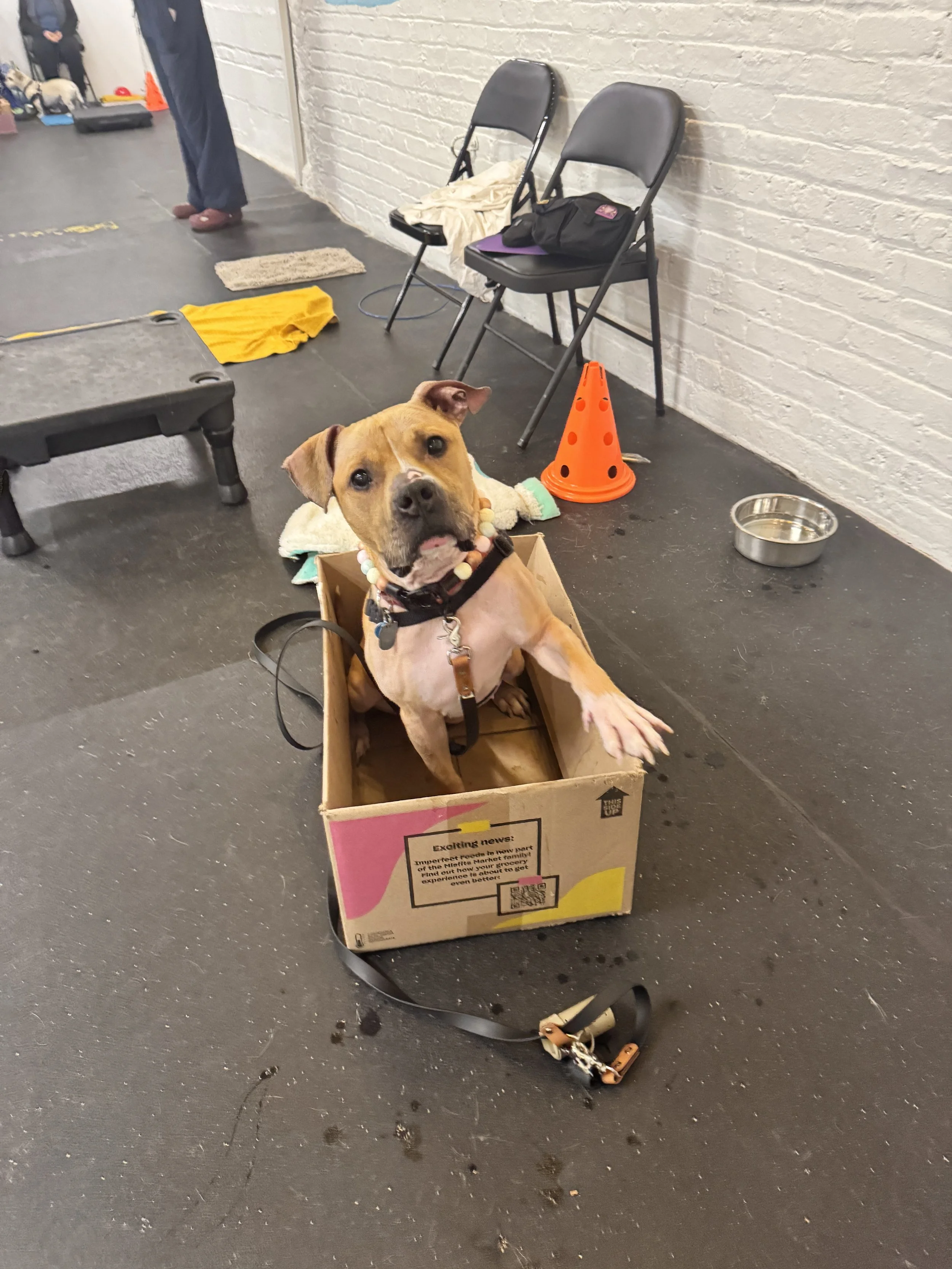
Separation Anxiety & Alone-Time Skills
Helping dogs who struggle when left alone learn that departures are safe, predictable, and temporary at a pace that supports confidence.
Confidence Building
Helping unsure or cautious dogs feel more comfortable exploring, engaging, and learning as the world starts to feel predictable again.
Leash Walking Skills for City Life
Helping walks feel calmer and more predictable by teaching both skills and emotional regulation for sidewalks, elevators, and busy streets.
Decompression
& Settling
Helping dogs unwind after shelter or foster life and learn how to rest, relax, and feel safe in a home environment.
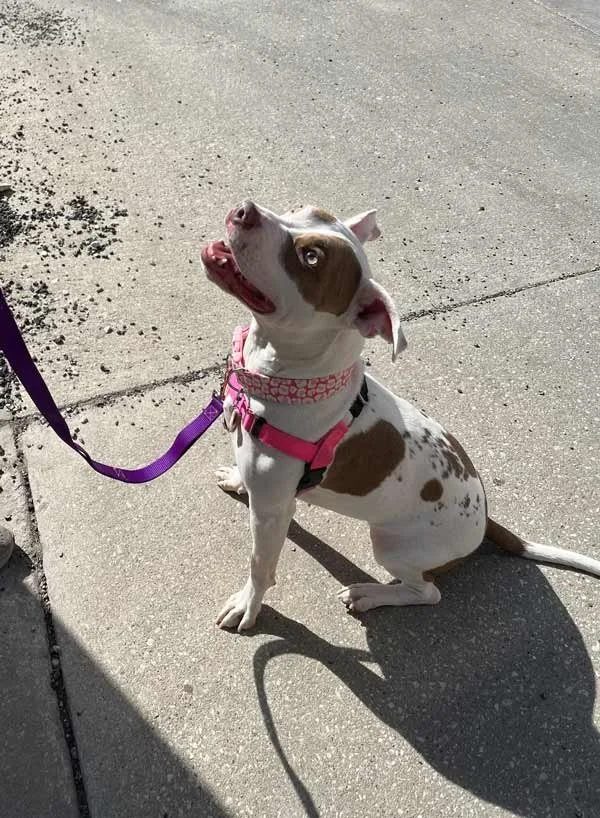

Resource Guarding
& Insecurity
Supporting dogs who feel unsure around food, toys, or space by building trust and predictability so guarding softens over time.
Pet Introductions
& Transitions
Guidance for introducing new dogs, visitors, kids, or cats in a way that prioritizes safety, clarity, and low stress for everyone involved.
Why the First Few Weeks with Your Rescue Matter
Many of the challenges people experience with rescue dogs aren’t behavior problems. They’re signs of adjustment and stress.
Without support, dogs can accidentally practice patterns that become harder over time:
pulling on leash turns into constant tension
barking at sounds turns into full hallway reactions
following you everywhere turns into distress when you leave
excitement turns into jumping or mouthiness
Our goal is to help you slow things down, set your dog up for success, and build habits that feel good for both of you.
FAQs
-
Sooner is often helpful, but the focus early on isn’t obedience. It’s about decompression, routines, and helping your dog feel safe enough to learn while they’re still adjusting to a new environment.
-
Very normal. Many dogs appear quieter at first and show more behavior as they start to feel safer. That shift doesn’t mean things are getting worse — it usually means your dog is settling in and needs support through the transition.
-
It is. Rescue dog training prioritizes emotional safety, predictability, and coping skills before layering in obedience. The goal is stability first, not rushing to fix everything.
-
That tells us the dog needs time and thoughtful pacing. We work below threshold, build confidence through small wins, and avoid pushing dogs into situations they’re not ready for.
-
That’s a big part of our work. Barking, lunging, freezing, or big reactions are often rooted in stress or fear, and we focus on changing how dogs feel — not just asking them to behave differently.
-
Introductions are a common concern with rescue dogs. We help you plan and manage them in a way that prioritizes safety, clarity, and low stress for everyone involved.
-
There isn’t a one-size-fits-all timeline. Many families feel relief quickly once structure is in place, while confidence-building and reactivity work take more time. We’ll talk honestly about expectations as we go.
Blogs for New Adopters
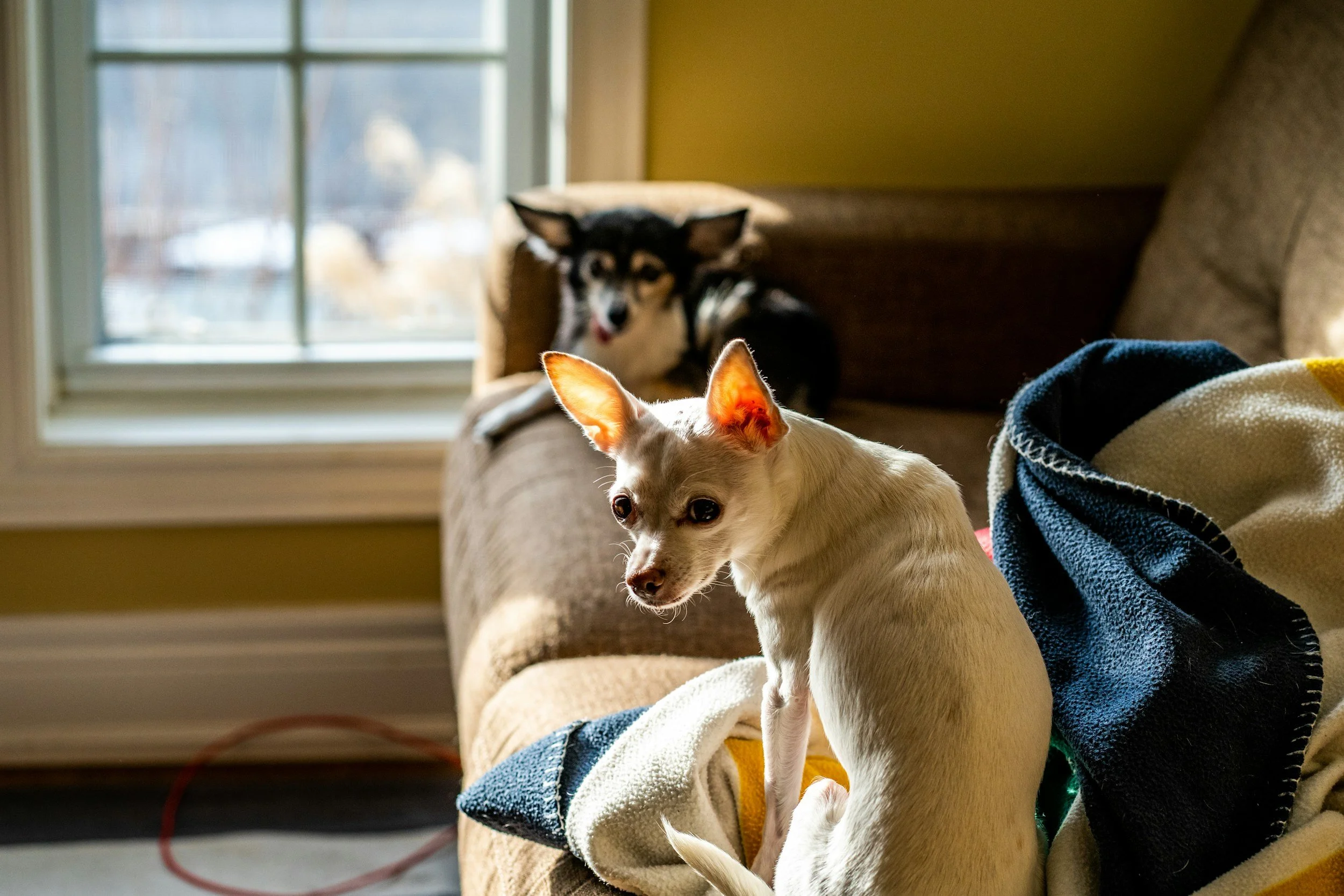
Why Is My Dog Guarding Me From My Other Dog?
Dogs that guard their people aren’t acting out — they’re stressed or confused. Understand the cause of guarding behavior and how to rebuild peace between your dogs.

Why You Shouldn’t Rub Your Dog’s Nose in Their Pee
Rubbing your dog’s nose in pee won’t teach them. Learn why this outdated method fails and what really works for house training.

How to Stop Your Dog From Barking Out the Window
Window barking is often a sign of boredom, frustration, or overstimulation—not defiance! Learn why it happens and how to stop it with easy steps.
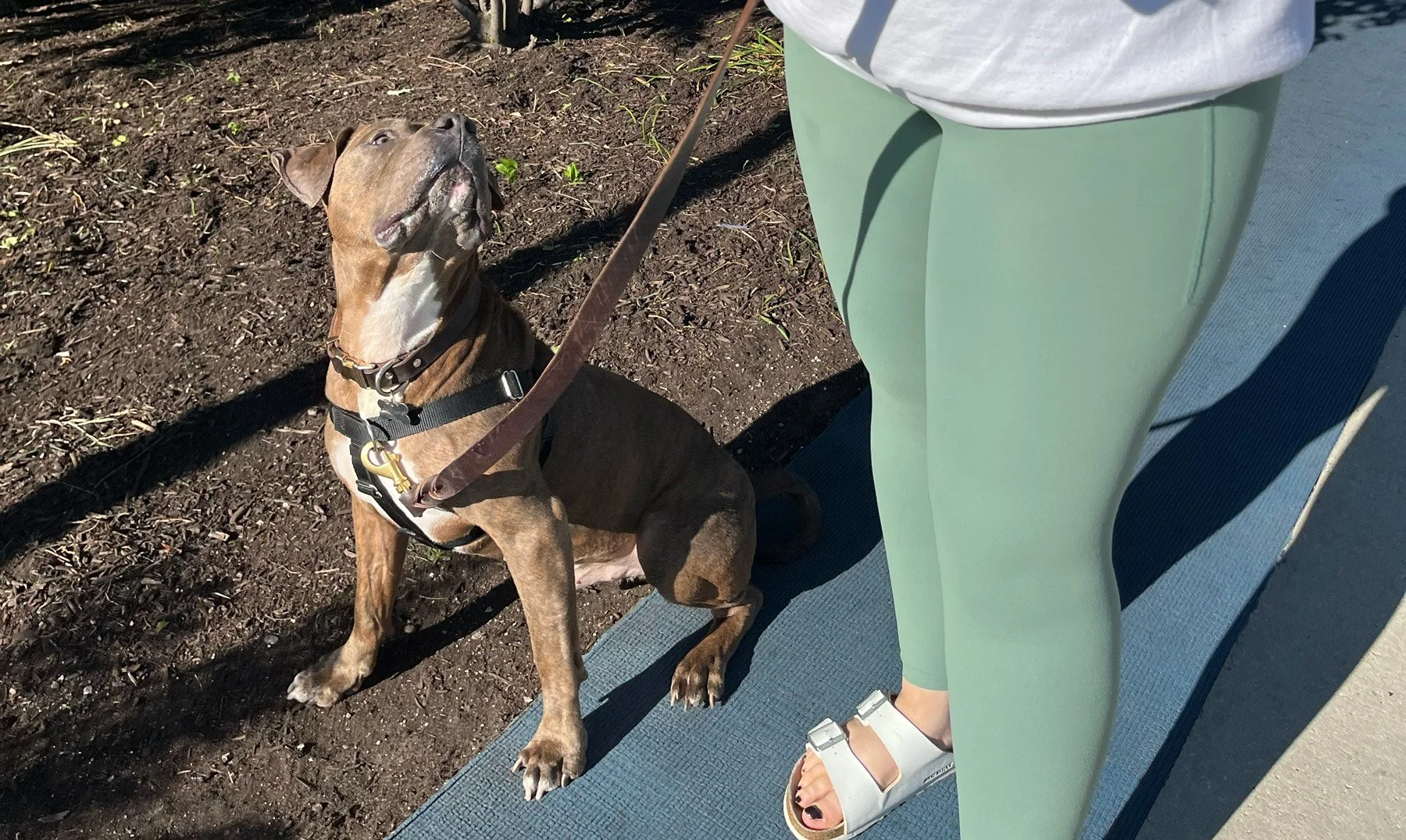
Why Does My Dog Bark at Other Dogs on Walks?
Barking at other dogs on walks is one of the most common struggles for dog parents in Chicago. Discover the reasons behind it and how training can help.