
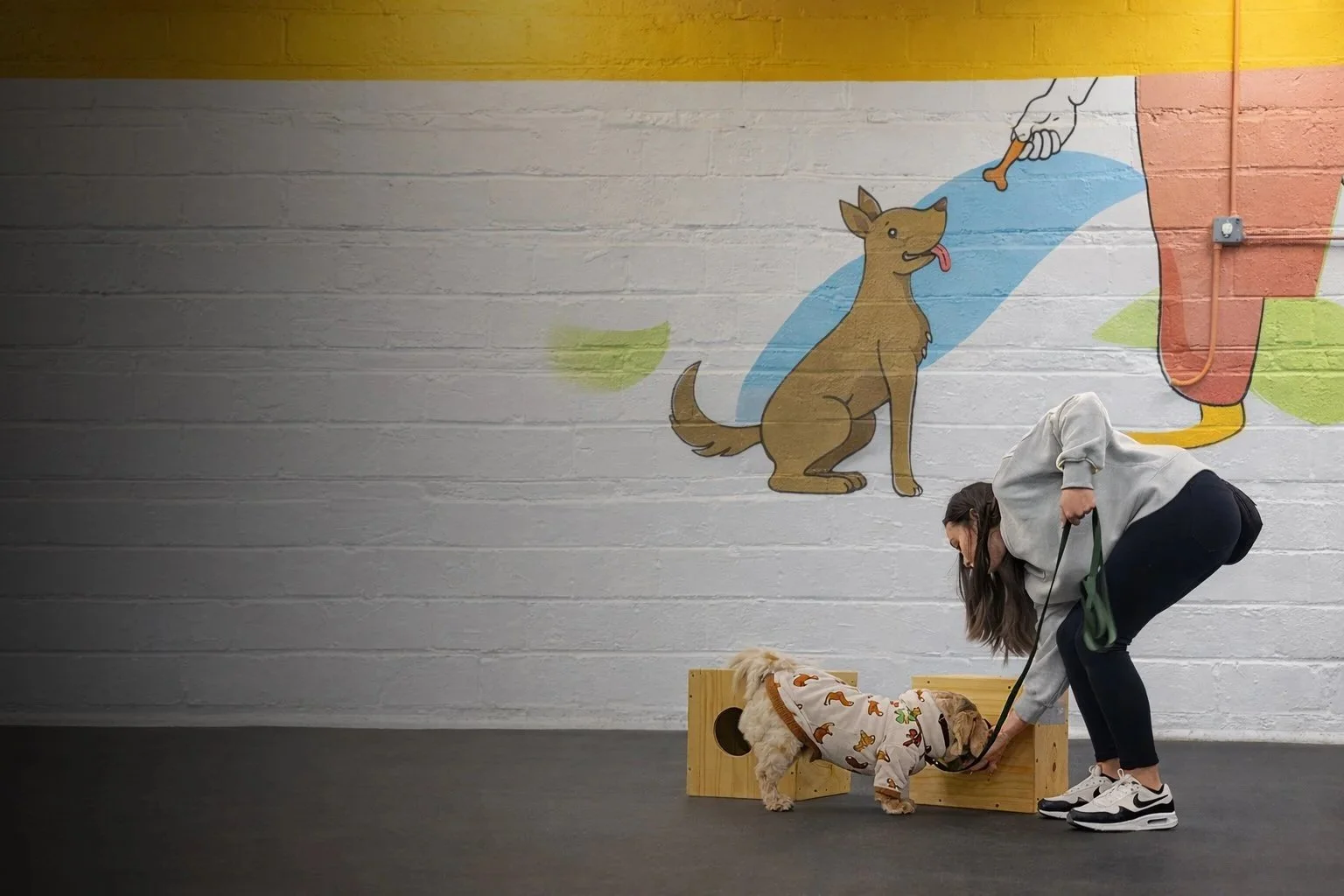
Dog Nosework Classes in Chicago
Unlock your dog’s natural superpower with the ultimate scavenger hunt for any age, breed, or energy level.
What Is Nosework?
Nosework is a fun, low-impact sport where your dog learns to find specific hidden scents, just like a professional search-and-rescue or TSA dog.
Instead of finding dangerous items, they’re hunting for harmless essential oils to earn their favorite treats! It’s the ultimate brain game that tires them out more than a three-mile walk.
The Nosework Experience
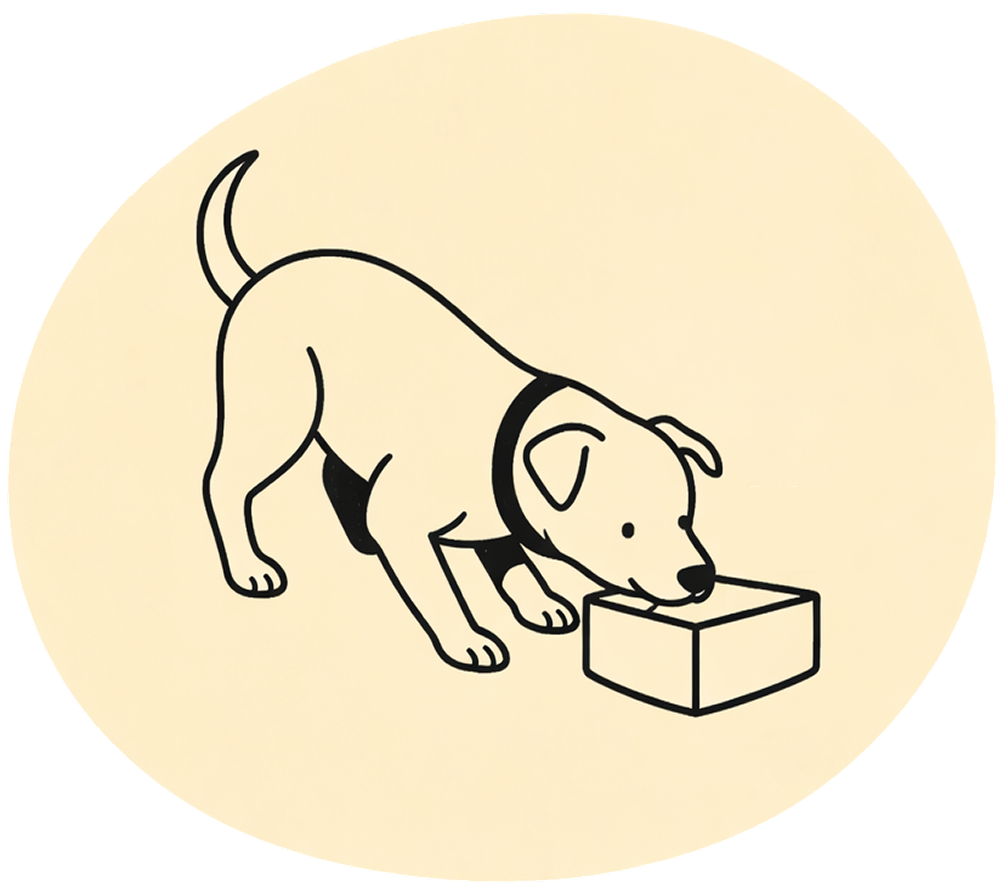
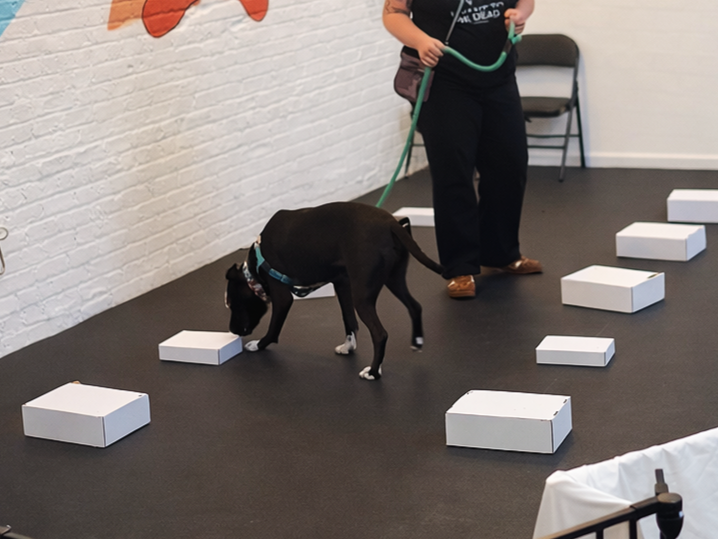
Low Stakes: We start by hiding high-value treats in boxes to get your dog excited about the 'hunt'
No Obedience Required: Your dog doesn’t even need to know how to sit or stay yet—they just need a nose and a love for snacks
Transformation: Eventually, your dog will be able to find a tiny drop of oil hidden anywhere in a room or outside.
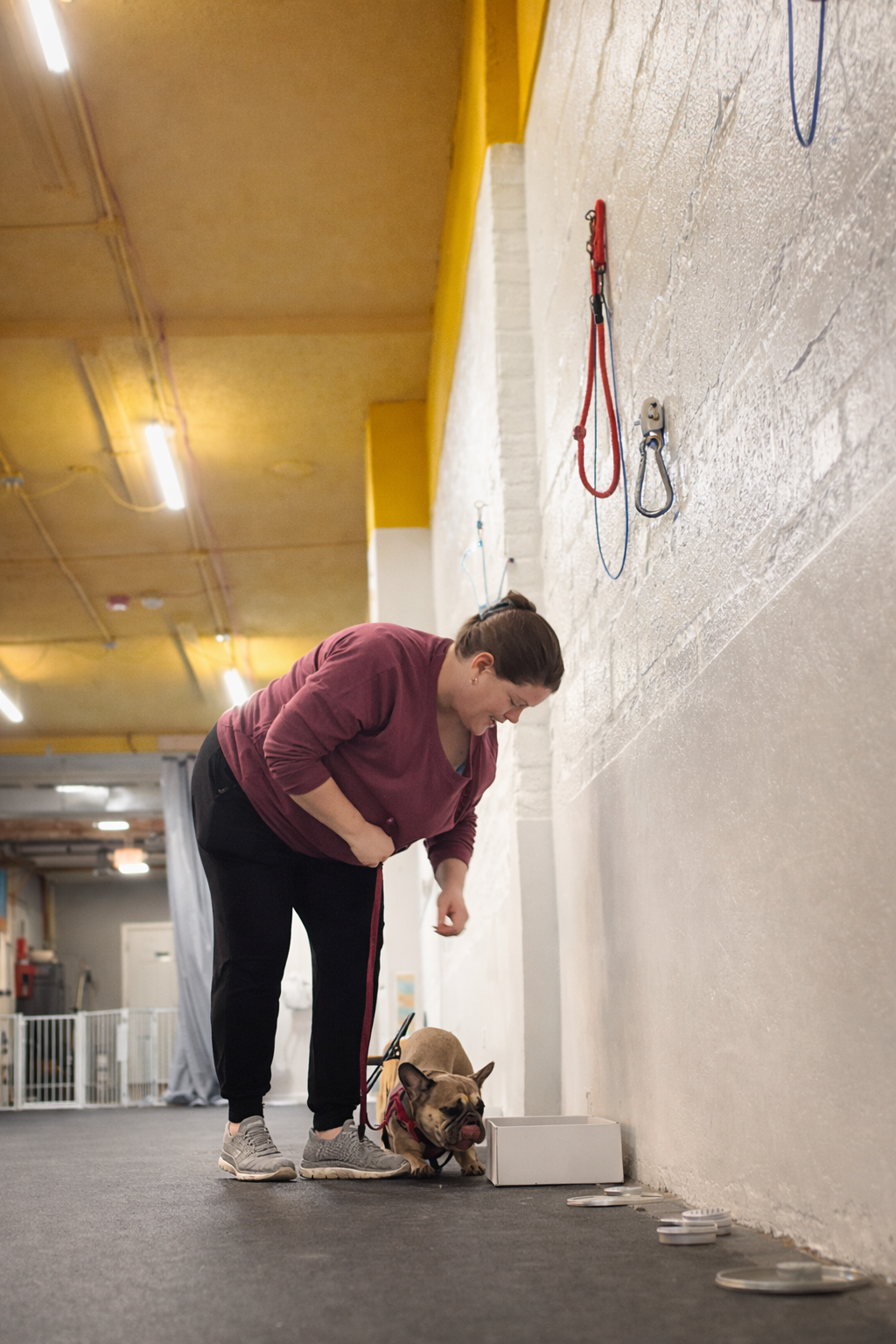
Why You’ll Love Nosework
A low-pressure way to help your dog feel calmer, more focused, and more fulfilled.
Build Confidence for Nervous Dogs
Nosework is a massive confidence booster. Our classes provide a way for dogs to always wins the "game," which helps them them be more independent and less fearful.
Reduce Reactivity
& Stress
Our nosework classes work dogs one at a time while others wait. This makes it one of the few safe environments for dogs that aren't social butterflies.

Great for Busy
Chicago Dog Owners
A 15-minute search is as mentally draining as a long physical walk. It burns off "brain energy" that physical exercise alone can't reach.
Easy for Senior or Limited Mobility Dogs
Since there’s no jumping or running required, it’s a great way for older dogs or those with limited mobility to stay active and engaged.
Copilot Nosework Classes
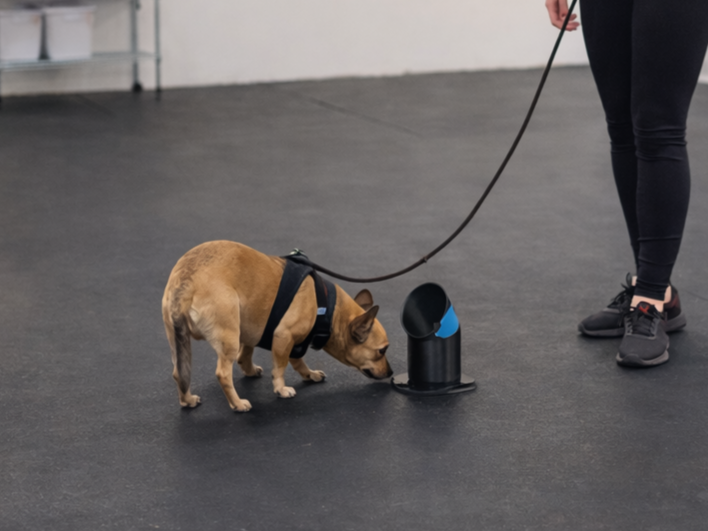
Intro to Nosework
5 week course
This is where most dogs start.
We’ll show you how to introduce scent work in a way that feels clear and fun for your dog, while building confidence along the way.
WHAT YOU’LL WORK ON
simple search games
building independence
understanding your dog while they work
Nosework Level 1
5 week course
Once your dog understands the basics, we start to build on it.
Searches get a little more complex, and dogs learn how to stay engaged while working through new setups.
WHAT YOU’LL WORK ON
longer, more independent searches
stronger problem-solving
better timing and handling
Is Nosework a Good Fit for Your Dog?
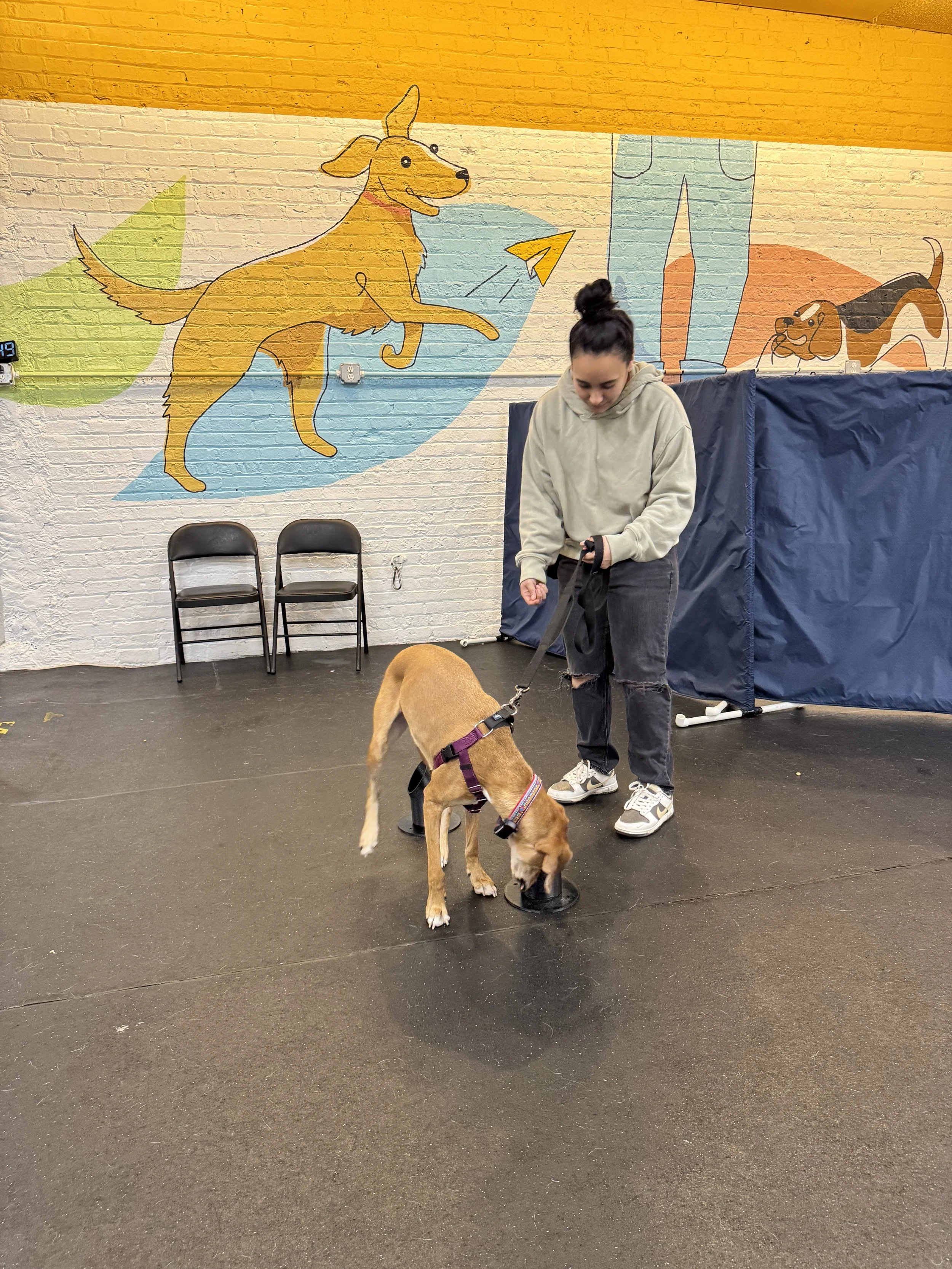
Nosework is one of the most inclusive canine activities, but finding the right fit depends on your dog's temperament and your goals. If your dog is any of the following, they’ll be a great fit!
They have a nose: If they can smell, they can play!
They love a job: It gives "unemployed" pet dogs a focused, satisfying task.
They love treats or toys: It turns their favorite things into a rewarding game of hide-and-seek.
They need a "brain drain": It’s the fastest way to tire out a dog that has endless physical energy.
They’re a "super-sniffer": It lets them do what they were born to do, but in a way that actually helps you.
Any age, any breed: From puppies to pros, every dog gets a massive "win" every time they play.
FAQs
-
Absolutely! It is one of the best activities for them. Most scent work classes are designed so dogs work one at a time, meaning your dog doesn't have to "socialize" or stay near others. This builds their focus and lowers stress by giving them a rewarding job to do in a controlled environment.
-
Yes! Unlike agility or dock diving, nosework is a low-impact sport. Because it’s all about the "sniff" and not the "sprint," it is perfect for senior dogs, dogs recovering from surgery, or those with mobility issues. It keeps their minds sharp without straining their bodies.
-
If your dog has endless physical energy, you need to tap into their "brain energy." Ten minutes of mental stimulation through scent games is equivalent to a long walk. Nosework challenges their brain, leaving them happy, satisfied, and ready for a nap.
-
To get started, all you really need is a flat collar or harness, a 6-foot leash, and plenty of high-value treats. As you progress into advanced scent training, we introduce professional scent kits containing target odors like Birch, Anise, and Clove, along with metal tins for hiding.
-
In competitive canine scent work, dogs are trained to find four specific essential oils: Birch, Anise, Clove, and Cypress. Our classes follow these professional standards, teaching your dog to identify and "alert" on these scents just like a pro detection dog.
-
At our Chicago training facility in Avondale, near Brands Park.

Why Choose Our Chicago Scent Work Program?
Our nosework classes are designed to help every dog—from high-energy puppies to retired seniors—tap into their natural hunting instincts. Often called K9 Scent Work, this rapidly growing canine sport is the ultimate form of mental enrichment.
While many dog training classes focus on basic obedience like "sit" and "stay," our program focuses on "searching" and "finding." By teaching your dog to hunt for specific target odors like Birch, Anise, and Clove, we provide a low-impact workout that drains "brain energy" and builds incredible confidence. Whether you are looking for a fun weekend dog activity or want to prepare for AKC Scent Work trials, our professional instructors provide a safe, supportive environment for all breeds and temperaments.
Blogs You Might Like
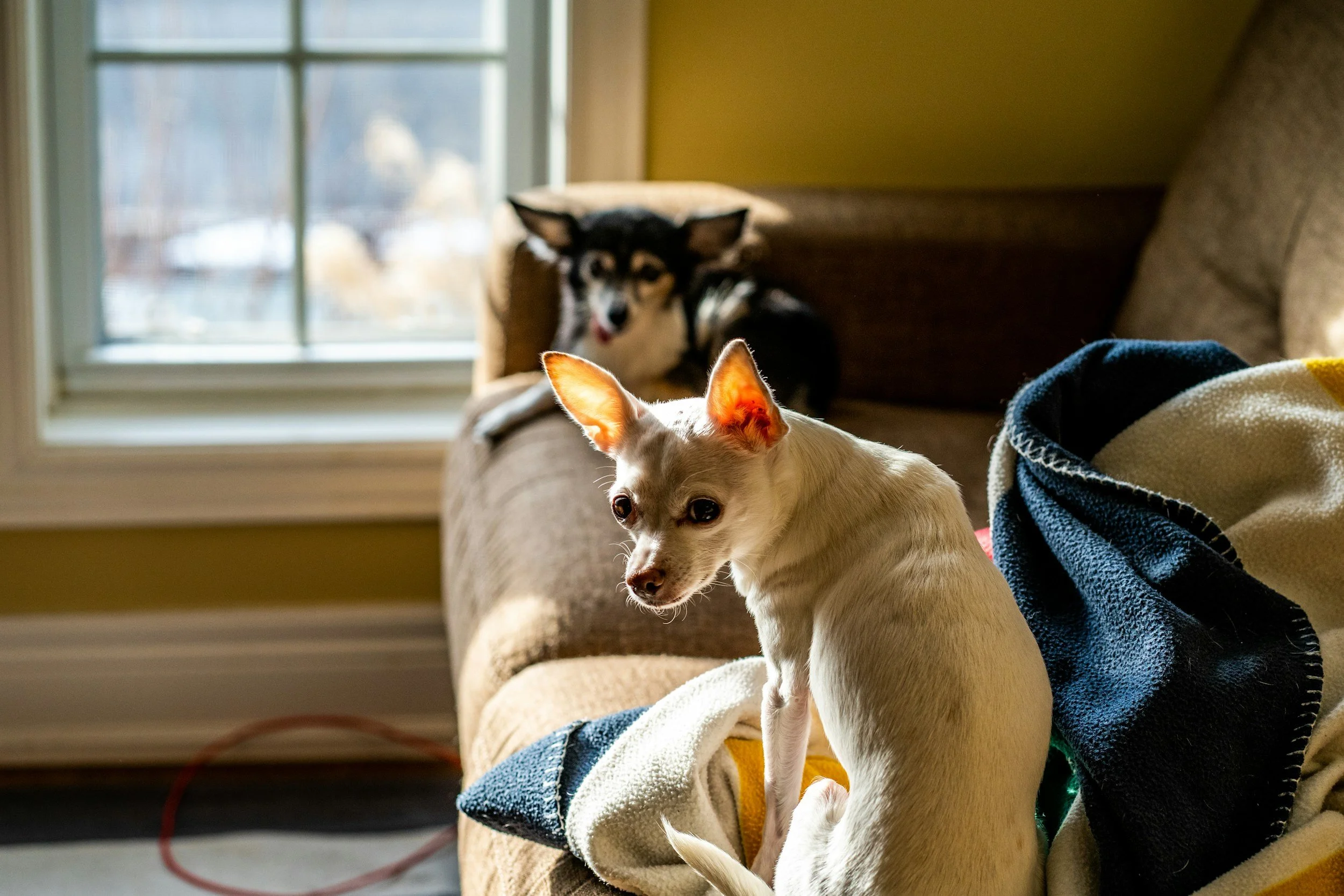
Why Is My Dog Guarding Me From My Other Dog?
Dogs that guard their people aren’t acting out — they’re stressed or confused. Understand the cause of guarding behavior and how to rebuild peace between your dogs.
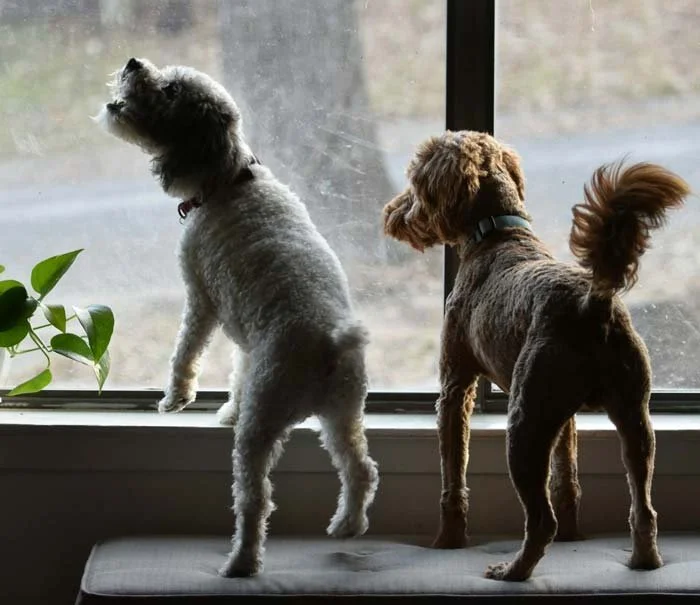
How to Stop Your Dog From Barking Out the Window
Window barking is often a sign of boredom, frustration, or overstimulation—not defiance! Learn why it happens and how to stop it with easy steps.
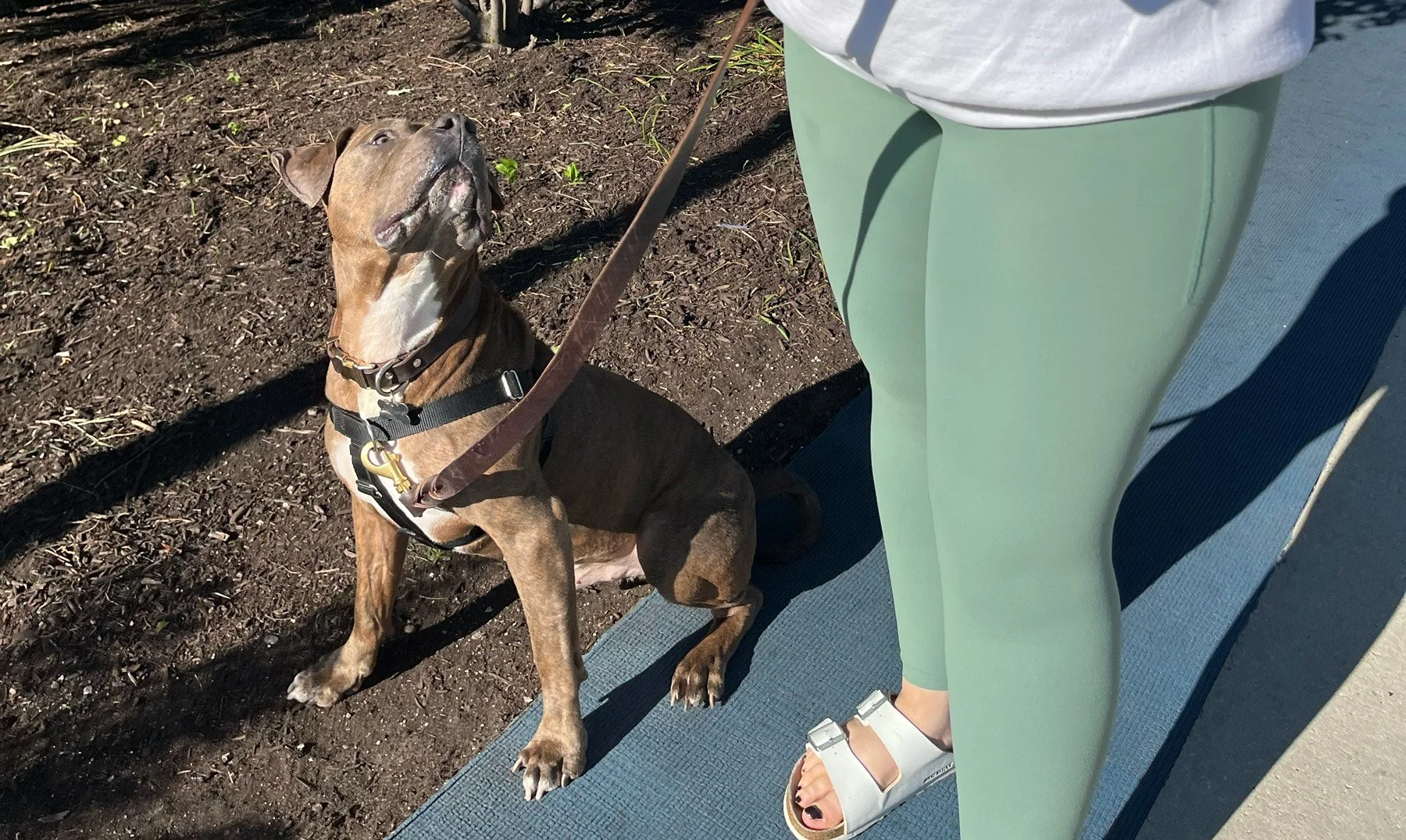
Why Does My Dog Bark at Other Dogs on Walks?
Barking at other dogs on walks is one of the most common struggles for dog parents in Chicago. Discover the reasons behind it and how training can help.