
Why “More Exposure” Is Making Your Dog More Reactive
If your dog barks, lunges, or becomes overwhelmed around other dogs, people, or everyday city distractions, you may have heard the advice: “They just need more exposure.”
At first, this idea sounds reasonable. If a dog reacts to something, it might seem like the solution is helping them see it more often so they can get used to it.
But for many reactive dogs, more exposure can actually make the behavior worse.
Instead of learning that the trigger is safe or neutral, the dog repeatedly experiences situations that feel overwhelming. Each time this happens, the brain practices the same emotional response again.
Over time, the reaction can become stronger and happen more quickly.
In short: reactivity often improves through thoughtful, controlled exposure, not constant exposure to triggers.
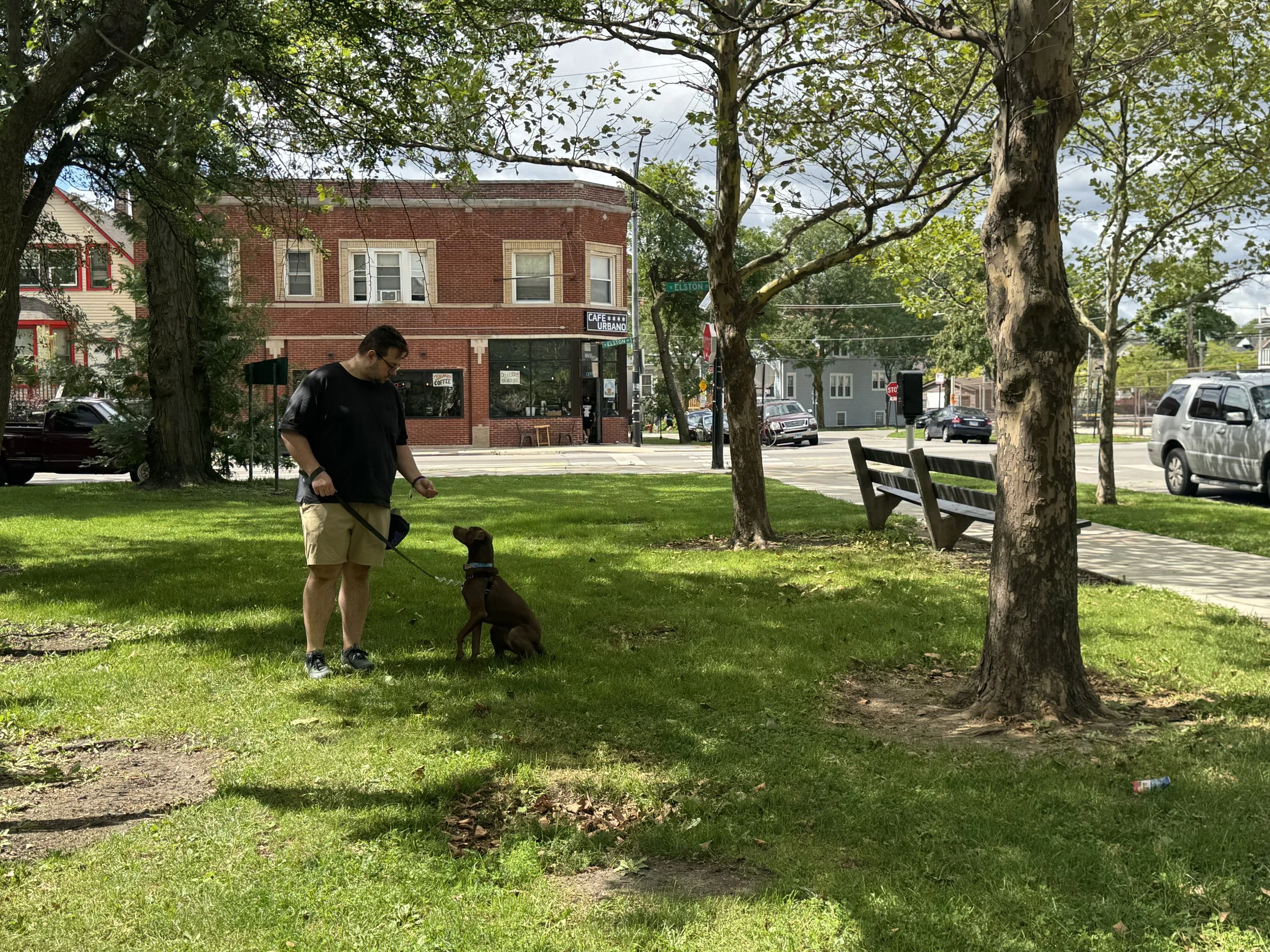
Why “More Exposure” Doesn’t Always Help
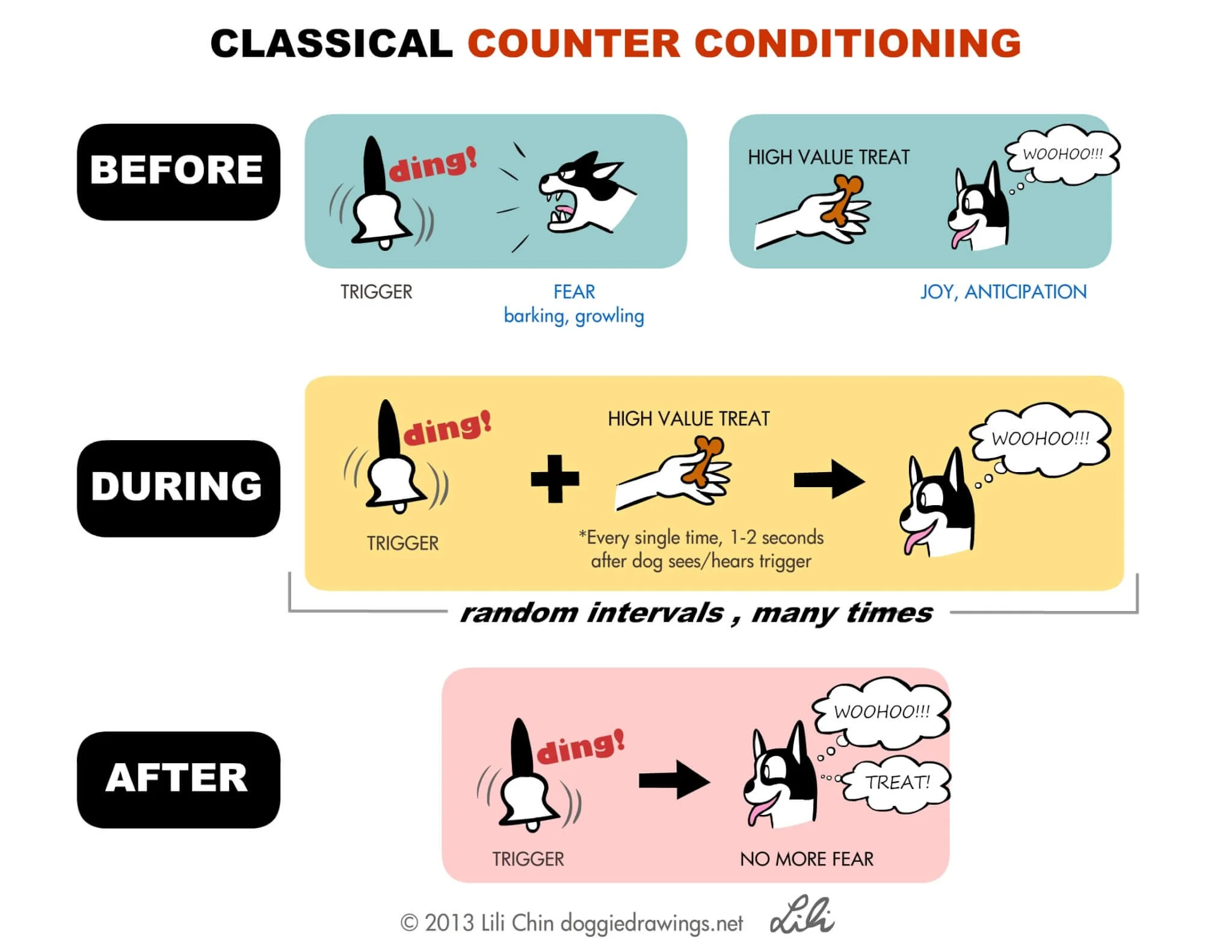
The idea behind exposure comes from a learning process called habituation. Habituation means that when something happens often enough — and it isn’t threatening — the brain stops paying much attention to it.
For example, many dogs eventually stop reacting to everyday sounds in the home like a dishwasher running or footsteps in the hallway.
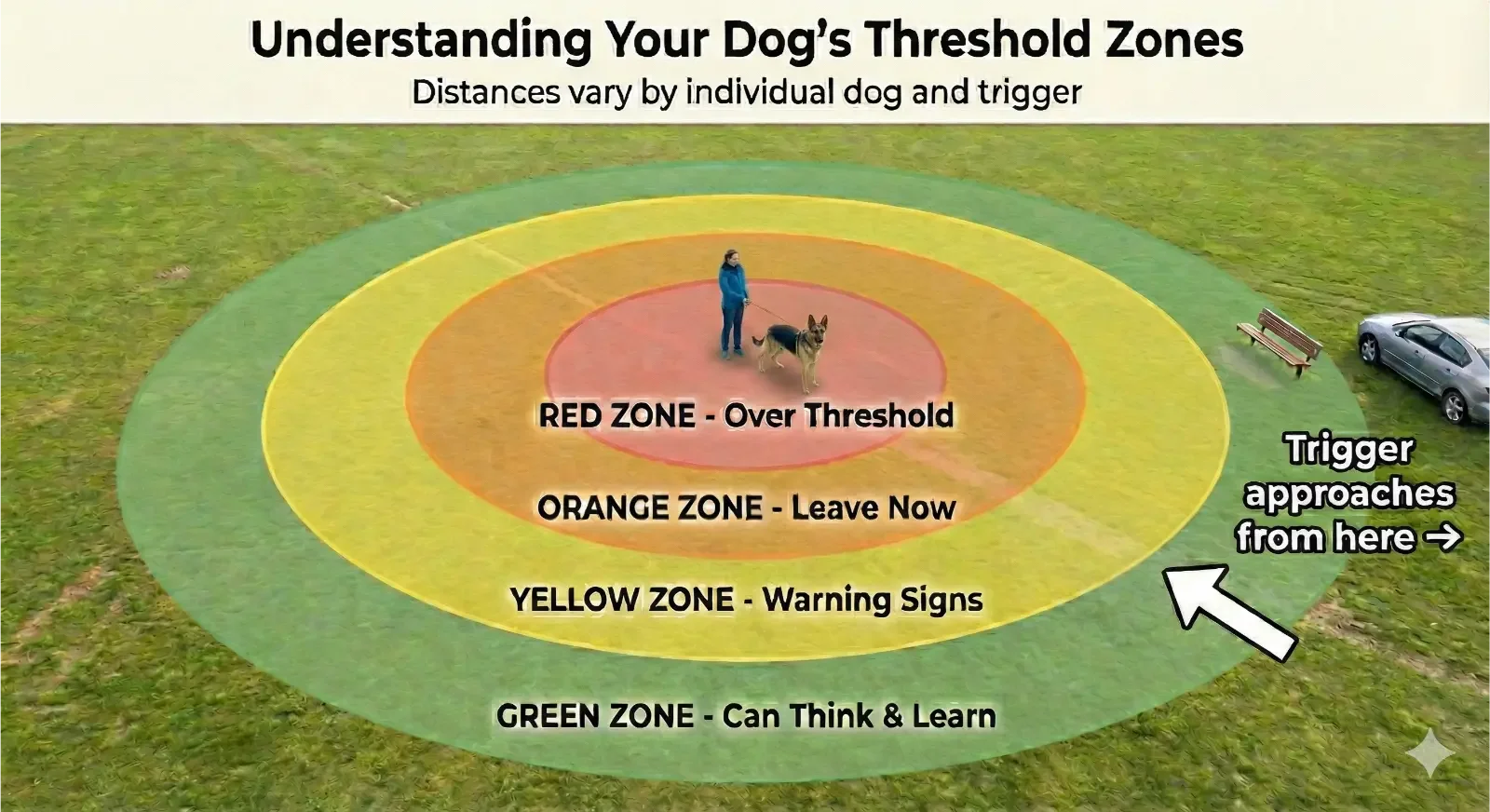
But habituation only works when the experience stays within the dog’s comfort zone.
If a trigger feels too intense, too close, or too unpredictable, the nervous system does not relax. Instead, the brain becomes more sensitive to that trigger.
This is called sensitization, and it’s common in reactive dogs.
Instead of becoming less reactive over time, the dog becomes more alert and more prepared to respond.
Reactivity Starts With Emotion
Reactivity is often misunderstood as a training problem or a lack of obedience. In reality, it is usually driven by how a dog feels in a moment.
Dogs may react because they feel:
Overwhelmed
Frustrated
Uncertain
Highly excited
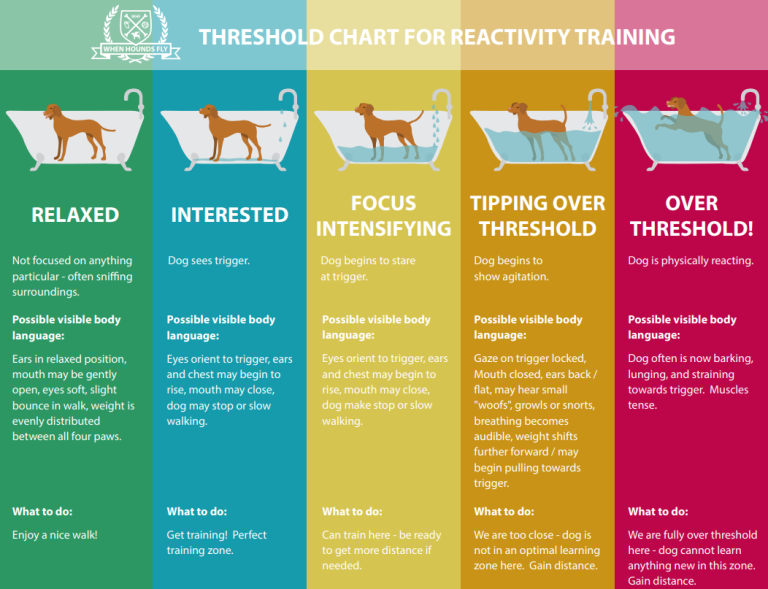
When that emotional response builds quickly, the body prepares for action. The nervous system shifts into a high-arousal state, and behaviors like barking, lunging, or pulling can follow.
At that point, the dog is not choosing to ignore cues or training. Their nervous system is simply responding to what feels like a big situation.
Helping a reactive dog improve means helping them stay regulated enough to learn.
How Reactions Become a Habit
Every time a dog reacts to a trigger, the brain practices that response.
Learning happens through repetition. When barking or lunging occurs often around the same trigger, the brain becomes faster at activating that pattern.
Over time, several things may happen:
The dog may start reacting from farther away
Reactions may become more intense
The dog may become more alert to their environment
This doesn’t mean the dog is becoming stubborn. It means the brain is strengthening the pathway connected to that response.
This is why frequent, overwhelming exposure can accidentally build stronger reactivity instead of reducing it.
The Difference Between Flooding and Training
When a dog is repeatedly exposed to triggers that feel overwhelming, trainers sometimes call this flooding.
Flooding happens when a dog cannot create space from a trigger and must remain in the stressful situation.
For example, a reactive dog may be walked through crowded sidewalks, forced to pass other dogs at very close distances, or brought to a busy dog park to “get used to it.”
These situations can push a dog far past their comfort zone.
Effective training takes a different approach. Instead of overwhelming the dog, it focuses on introducing triggers at levels the dog can handle.
This allows the brain to stay calm enough for learning to happen.
Why Distance Is So Important
Distance is one of the most helpful tools when working with a reactive dog.
When triggers are far enough away, many dogs can notice them without becoming overwhelmed. This creates an opportunity to practice calm behavior.
For example, a dog that reacts when another dog walks within a few feet may be able to stay regulated when observing that same dog from across a park.
At that distance, the dog can practice things like:
Looking back at their handler
Playing simple pattern games
Calmly observing the environment
These experiences help the brain learn that triggers do not automatically lead to stress.
Many of the exercises we use in our reactive dog training programs are built around this idea of controlled distance and calm repetition.
Why Walks Can Be Hard for Reactive Dogs
In busy cities like Chicago, walks can expose dogs to many triggers in a short amount of time.
Apartment hallways, elevators, narrow sidewalks, and crowded parks make it difficult for dogs to create space from other dogs or people.
When these encounters happen repeatedly, the dog’s stress hormones may stay elevated throughout the walk. This can make reactions happen faster and with less warning.
Because of this, many training plans temporarily focus on quieter walking routes or structured setups while foundational skills are developing.
Owners often work on these skills during private dog training sessions so they can practice strategies in their own neighborhood.
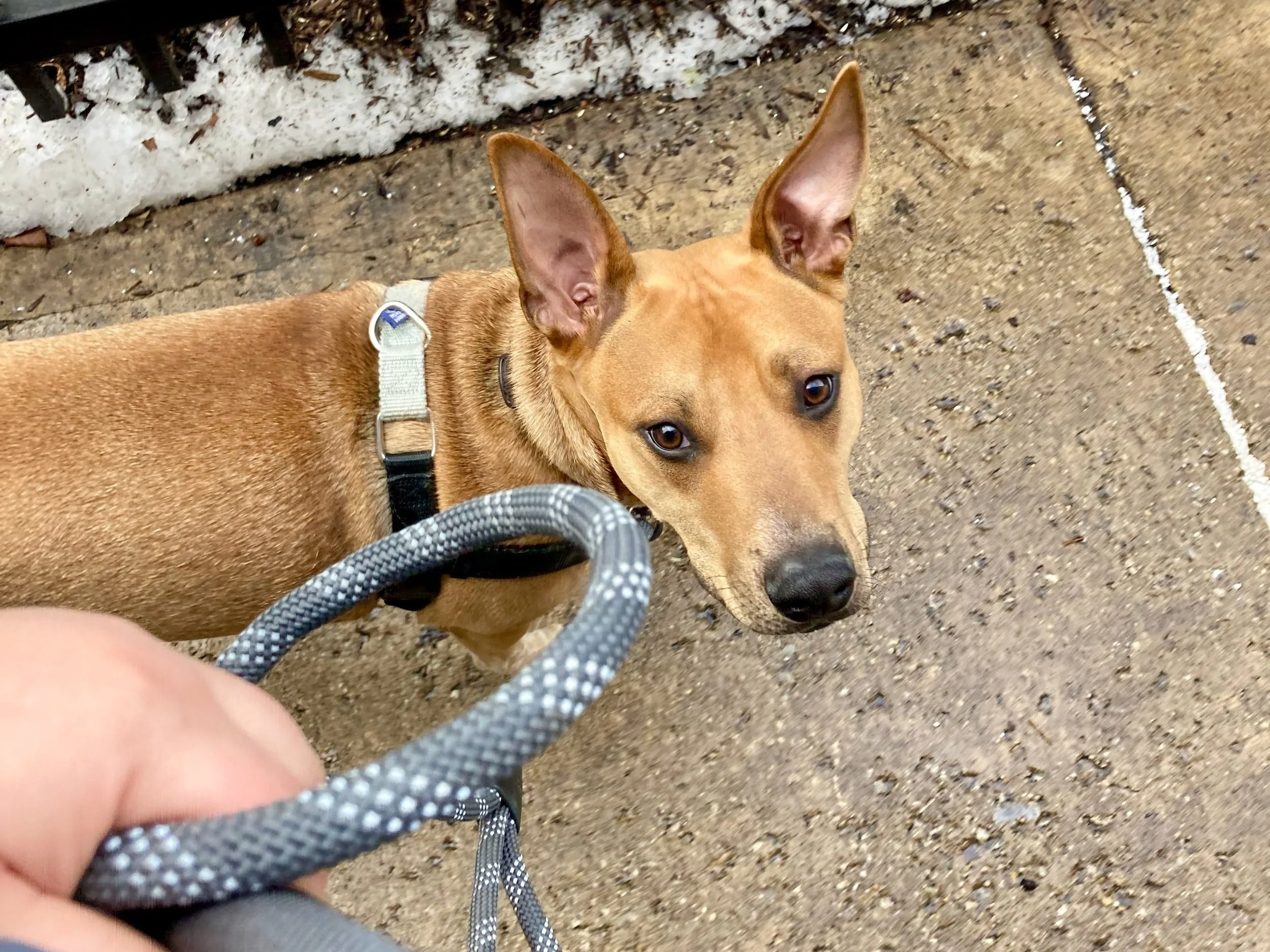
What Helpful Exposure Looks Like
Reactive dogs do not need to avoid triggers forever. Instead, they benefit from controlled exposure that allows learning to happen.
Productive training setups often include:
Working at distances where the dog can stay regulated
Keeping training sessions short and manageable
Allowing the dog to disengage from the trigger
Repeating calm experiences around triggers
These small experiences may seem simple, but they help the brain build new patterns.
Instead of practicing barking and lunging, the dog practices staying calm.
Over time, these repetitions help reactive dogs become more comfortable around everyday situations.
Helping Reactive Dogs Build Confidence
Improving reactivity usually happens gradually. Dogs learn through many small, successful experiences rather than one big breakthrough.
As dogs begin to stay regulated around triggers, the distance can slowly decrease and environments can become more challenging. With the right support, many reactive dogs learn to navigate sidewalks, parks, and busy environments with much more confidence.
If your dog struggles with barking or lunging around other dogs, people, or city distractions, our trainers at Copilot Dog Training can help. Our programs focus on practical skills and real-world environments so dogs and owners can feel more comfortable moving through daily life.
You can learn more about our dog training programs in Chicago or reach out to schedule a consultation.